
Top 10 Dynatrace Alternatives in 2026: Complete Comparison Guide

Simran Kumari
February 26, 2026
19 min read
Don’t forget to share!



Try OpenObserve Cloud today for more efficient and performant observability.
Dynatrace is one of the most powerful observability platforms on the market. Its signature OneAgent auto-instrumentation, the AI-powered Davis engine, and enterprise-grade support for complex hybrid environments have made it a go-to choice for large organizations. But "powerful" doesn't always mean "the right fit."
As engineering teams evolve toward cloud-native architectures, OpenTelemetry standards, and tighter observability budgets, a growing number of organizations are actively evaluating Dynatrace alternatives. Whether you're a lean startup, a mid-size SaaS company, or an enterprise looking to reduce vendor lock-in, this guide is for you.
Despite its capabilities, several recurring pain points drive teams away from Dynatrace:
Dynatrace's Davis Data Unit (DDU) billing model makes cost forecasting extremely difficult. Dashboard queries, alert evaluations, log ingestion, and metric processing all consume DDUs in opaque ways frequently resulting in bill shock at the end of the month.
Dynatrace's proprietary OneAgent and closed data formats make migrating to other platforms a significant investment. This discourages teams from exploring alternatives even when dissatisfied, creating a classic lock-in trap.
Mastering DQL (Dynatrace Query Language), Smartscape topology, and full platform configuration requires weeks of dedicated onboarding. For smaller or faster-moving teams, this is a real productivity barrier.
Dynatrace is designed for large, complex enterprises. Startups and mid-size teams often find it overpowered and expensive relative to their actual observability footprint especially in Kubernetes-first environments where lighter tooling excels.
As CNCF's OpenTelemetry becomes the de-facto instrumentation standard, teams want observability backends that natively support OTLP without proprietary agent translation layers. Dynatrace's support remains partial and agent-centric.
Many engineers find Dynatrace's UI optimized for operations managers and SRE leads rather than hands-on debugging by individual developers a frustration particularly common on developer-centric teams.
Before choosing a replacement, evaluate these critical dimensions:
| Criterion | Why It Matters | What to Evaluate |
|---|---|---|
| Unified Observability | Reduces tool sprawl | Single pane for metrics, logs, traces, and RUM |
| Transparent Pricing | Budget predictability | No DDU surprises; clear cost per GB or host |
| OTel Support | Vendor-neutral instrumentation | Native OTLP ingestion without agent translation |
| Auto-Instrumentation | Reduces developer burden | Automatic service discovery and dependency mapping |
| AI/ML Insights | Faster root cause analysis | Anomaly detection, baselines, causal AI |
| Scalability | Grows with your infrastructure | High cardinality, high ingest volume performance |
| Deployment Flexibility | Compliance and data control | SaaS, self-hosted, or hybrid options |
| Migration Ease | Minimizes downtime and rewrites | OTel compatibility, import tools, phased rollout support |
| Community & Ecosystem | Long-term platform viability | Integrations, plugins, GitHub activity, documentation quality |
Type: Open Source · Self-Hosted / Cloud
Best For: Cost-conscious engineering teams, cloud-native and Kubernetes environments
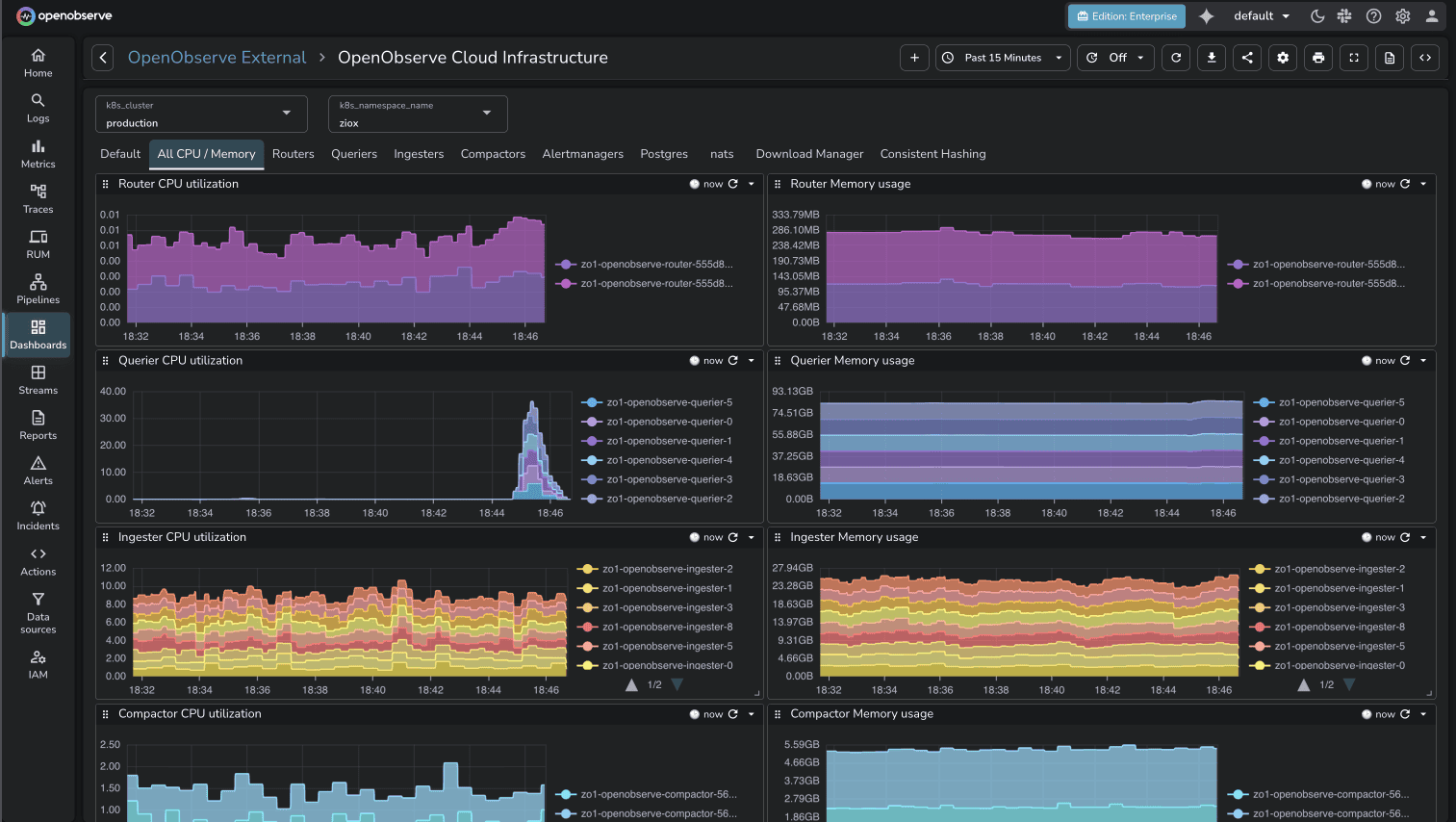
OpenObserve is the leading open-source observability platform for teams seeking a true Dynatrace alternative without vendor lock-in, DDU billing, or proprietary agents. It provides unified logs, metrics, and traces in a single platform with 140x storage compression delivering 60–90% cost savings compared to commercial alternatives like Dynatrace.
Unlike Dynatrace's opaque DDU model, OpenObserve offers a transparent, usage-based pricing structure with no per-user fees. Its SQL-based query language is far more accessible than DQL, and its native OpenTelemetry ingestion means your existing instrumentation works from day one without any agent replacement.
Migration Tip: OpenObserve accepts data from the OpenTelemetry Collector via OTLP. You can dual-export to both Dynatrace and OpenObserve during a phased migration to validate parity before full cutover.
Type: SaaS · Enterprise
Best For: Enterprises wanting feature-rich commercial observability with a more developer-centric UX
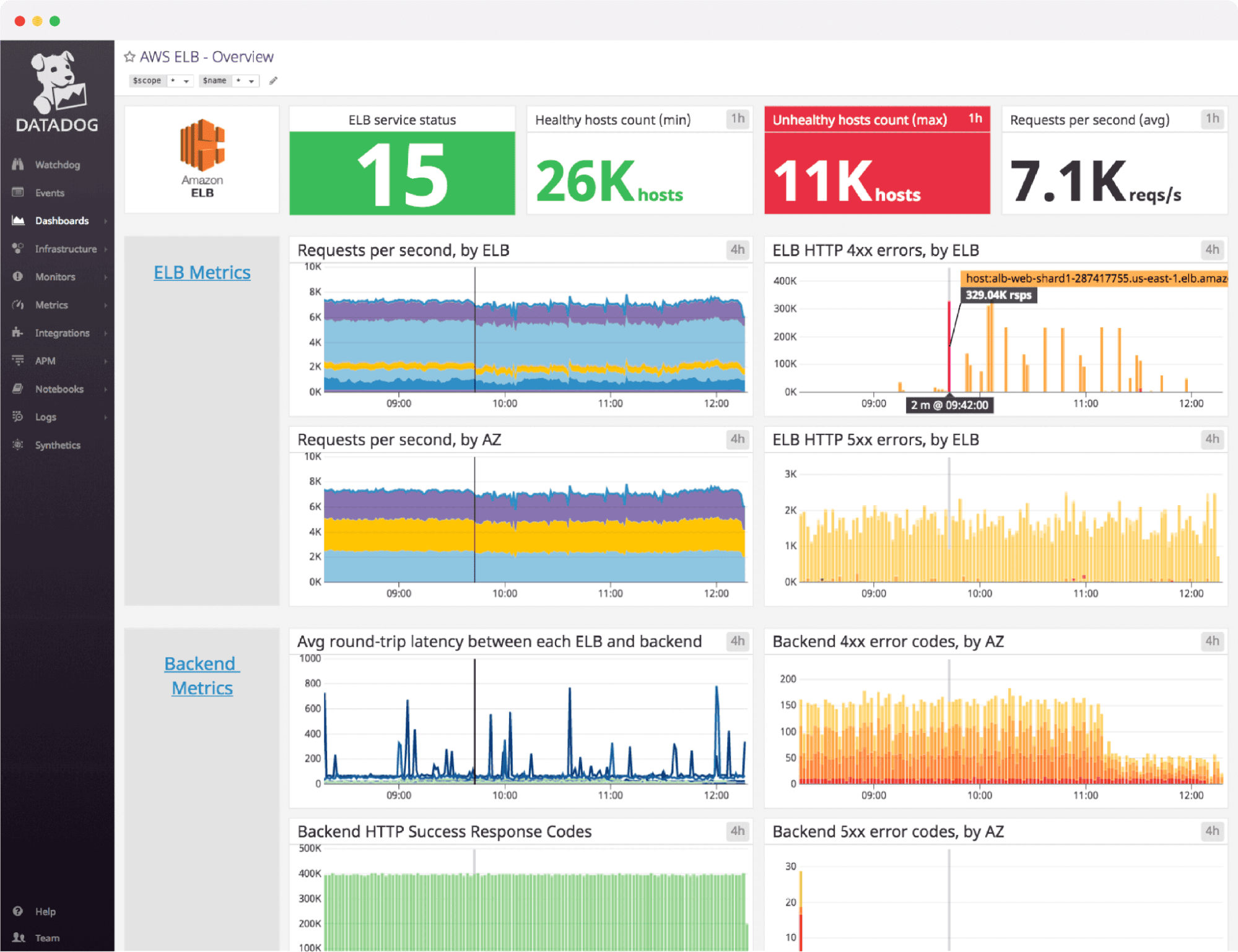
Datadog is Dynatrace's most direct commercial competitor in the enterprise observability space. It offers a comprehensive platform spanning infrastructure monitoring, APM, log management, distributed tracing, security monitoring, real user monitoring (RUM), and synthetics all unified in a single SaaS interface with 900+ integrations.
Compared to Dynatrace, Datadog tends to be more developer-friendly and easier to get started with, while offering similar depth across cloud and hybrid environments. The trade-off is cost: Datadog can become equally or more expensive at scale.
Type: SaaS · Full-Stack Observability
Best For: Teams moving away from Dynatrace's complexity who still want a feature-rich commercial SaaS platform
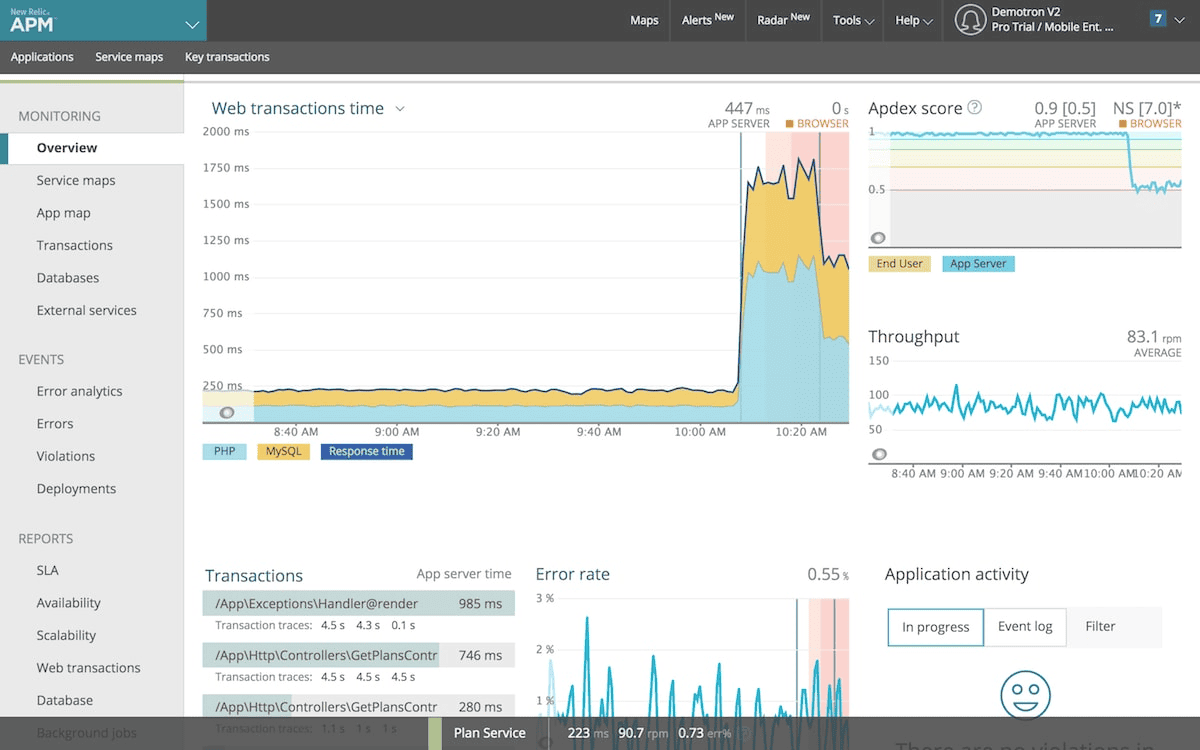
New Relic is a mature full-stack observability platform that covers APM, infrastructure, logs, traces, real user monitoring, and synthetic testing under one roof. With over 780 integrations and broad OpenTelemetry support, it is a strong commercial Dynatrace alternative particularly for teams wanting unified observability without Dynatrace's enterprise complexity.
New Relic's key strength is its powerful NRQL query language, which enables deep cross-signal analysis across all telemetry types from a single interface. It also has a more approachable learning curve than Dynatrace, making it easier to onboard large development teams.
Type: Open Source · Self-Hosted / Grafana Cloud
Best For: Kubernetes-native organizations, DevOps teams with strong operational capacity, maximum vendor flexibility
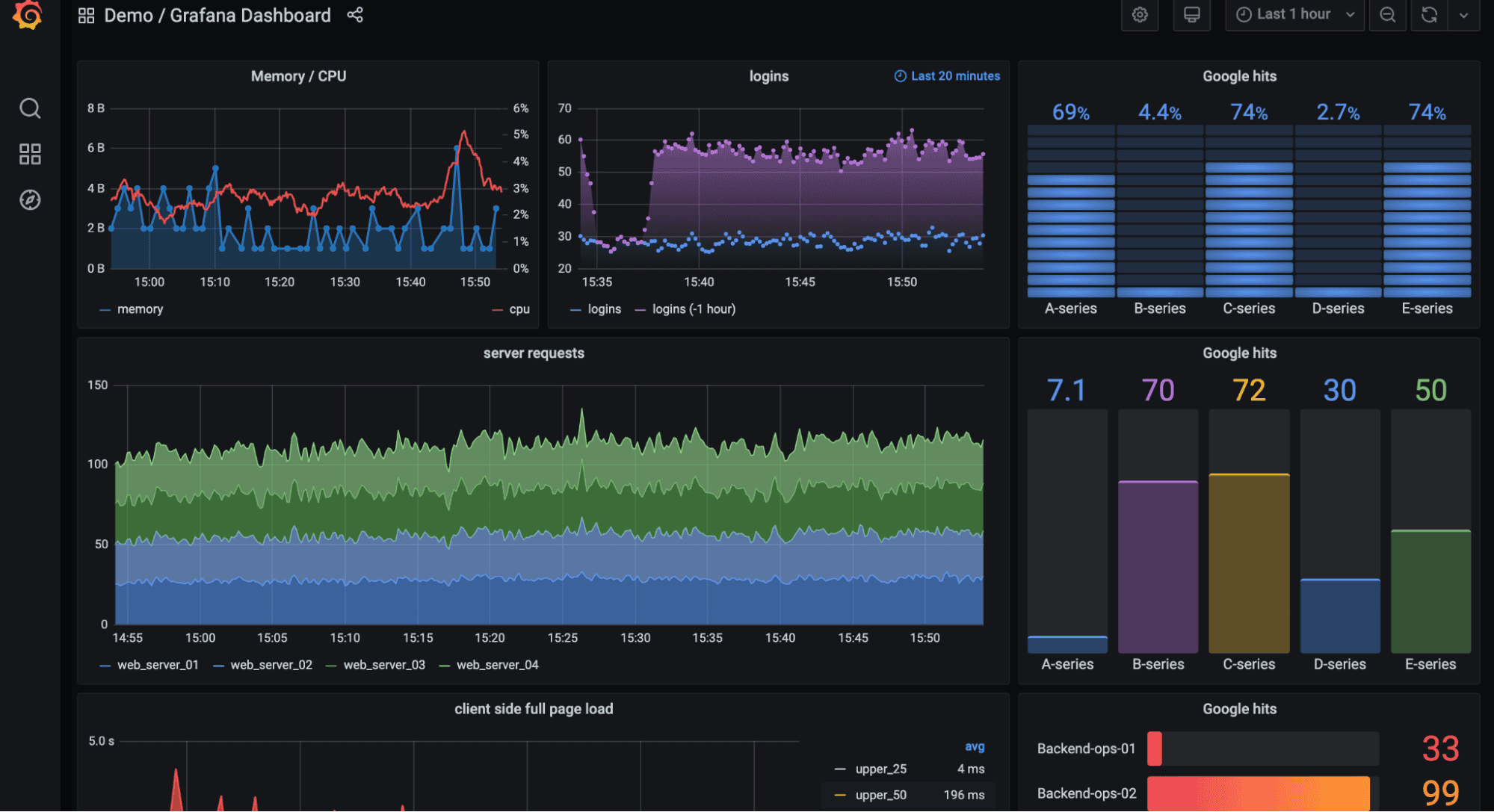
The Grafana Observability Stack built around Grafana, Prometheus, Loki, and Tempo is the most popular open-source Dynatrace alternative for cloud-native and Kubernetes-centric teams. Each component is a best-in-class tool for its respective signal type, and together they form a powerful, vendor-neutral observability platform.
Unlike Dynatrace's all-in-one opaque model, the Grafana stack is modular and transparent. Teams choose exactly what they ingest, store, and query. Grafana Cloud offers a fully managed path for teams who want open-source benefits without the operational overhead of self-managing multiple backends.
Type: SaaS · Distributed Tracing
Best For: Microservices teams needing deep distributed tracing, high-cardinality analysis, and fast incident debugging
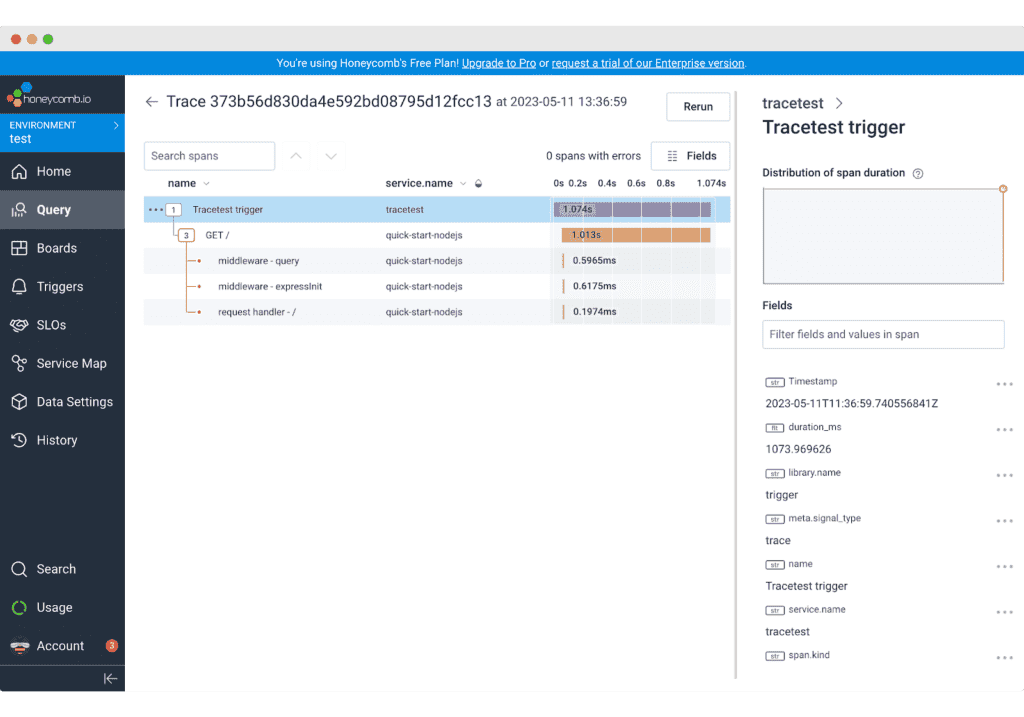
Honeycomb is a modern observability platform built for debugging distributed systems through high-cardinality, event-based telemetry. Where Dynatrace automates observability through AI topology, Honeycomb empowers developers to explore unknown unknowns through blazing-fast, ad-hoc querying over raw event data.
It is purpose-built for microservices and cloud-native environments where traditional APM sampling loses critical context. Honeycomb's philosophy "sample less, observe more" is fundamentally different from Dynatrace's automated intelligence approach but highly effective for developer-centric teams.
Type: Open Source / SaaS · Log-Centric Observability
Best For: Teams with heavy log analytics requirements or existing Elasticsearch expertise
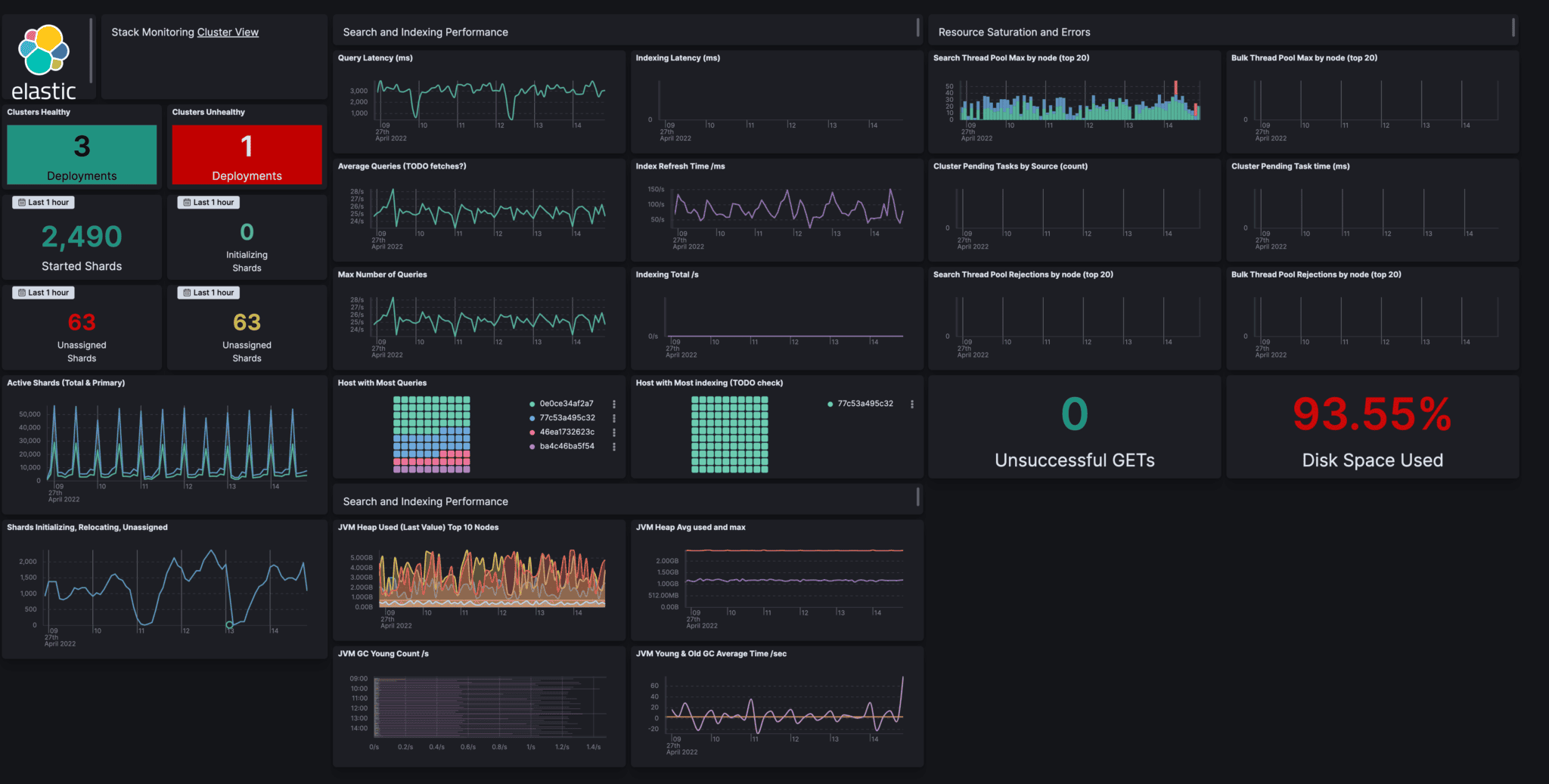
Elastic Observability (part of the ELK / Elastic Stack) is a powerful Dynatrace alternative for teams whose observability needs are anchored in log search and analytics. Built on Elasticsearch's world-class full-text search engine, it provides unified APM, infrastructure metrics, log management, and uptime monitoring.
Elastic's appeal lies in its exceptional search depth and the breadth of its ecosystem Beats, Logstash, and Kibana. For teams already invested in Elasticsearch, extending into full observability is a natural evolution with significant operational leverage.
Type: SaaS / On-Premises · Enterprise Compliance
Best For: Large enterprises in regulated industries requiring combined observability, SIEM, and compliance auditing
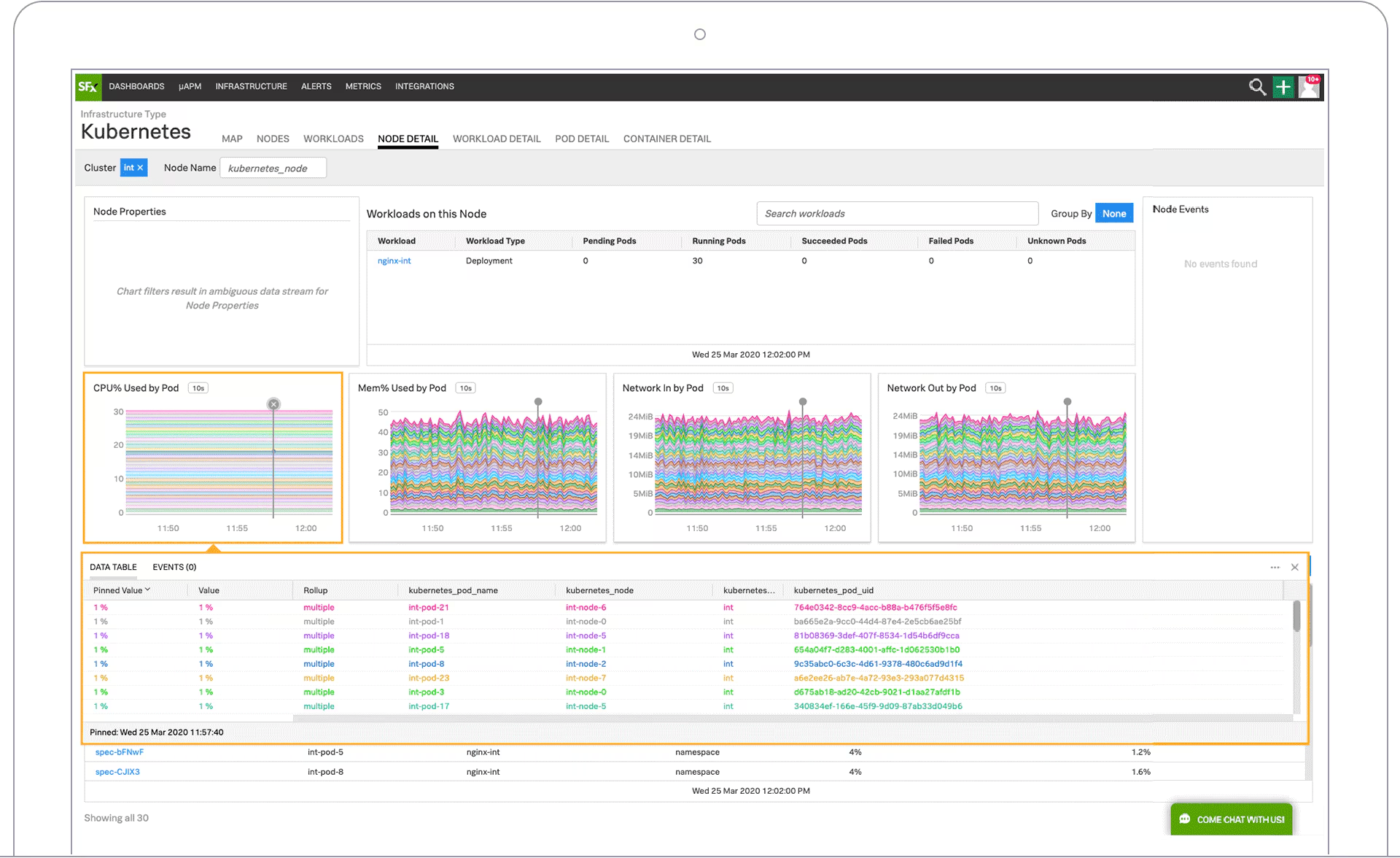
Splunk Observability Cloud (combining SignalFx APM, Infrastructure Monitoring, and Log Observer) is a battle-tested enterprise platform for full-stack observability. As a Dynatrace alternative, Splunk brings exceptional analytics depth through SPL (Search Processing Language), enterprise-grade compliance capabilities, and mature on-premises deployment support.
Splunk shines in scenarios where observability must coexist with security operations, compliance auditing, and large-scale log forensics use cases where Dynatrace's more focused APM heritage shows limitations.
Type: SaaS · Cost-Optimized Observability
Best For: Teams with high log volumes seeking predictable pricing and flexible data pipeline control
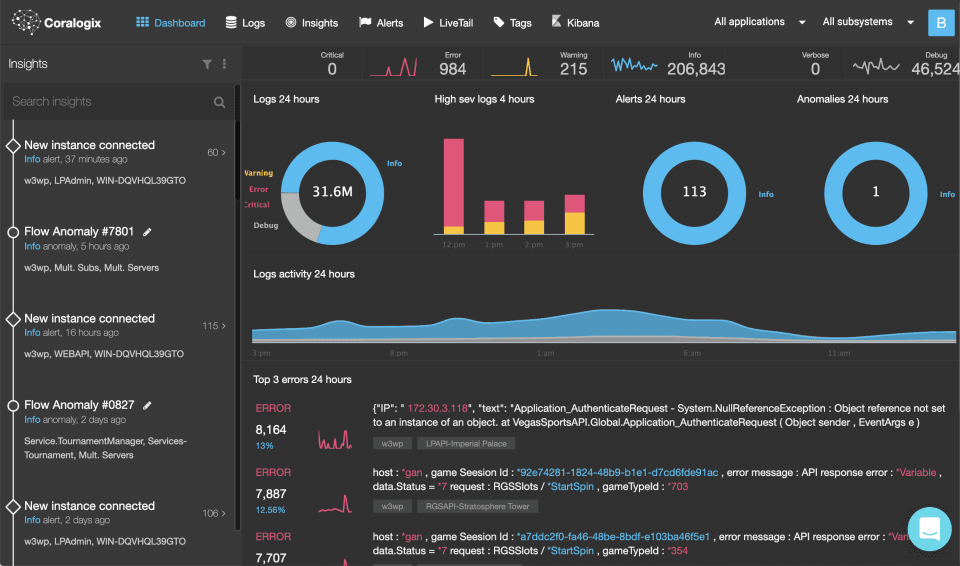
Coralogix is a modern observability platform distinguished by its Streama™ technology an architecture that decouples log indexing from log storage, enabling teams to control costs by routing data to different processing tiers based on priority and business value.
For teams frustrated by Dynatrace's DDU billing unpredictability, Coralogix offers a refreshingly transparent cost model. Non-critical logs can be routed to cheap cold storage while high-priority data is indexed for real-time querying a level of cost governance simply not possible with Dynatrace's unified billing.
Type: SaaS / On-Premises · Business-Centric APM
Best For: Enterprises already in the Cisco ecosystem that need to connect application performance to business KPIs
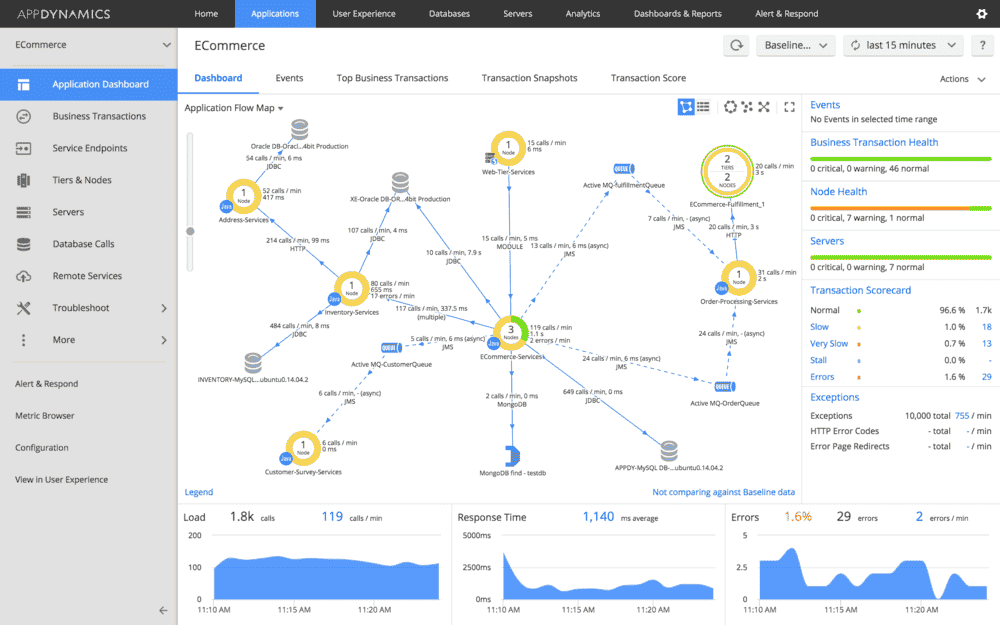
AppDynamics, now part of Cisco's portfolio, is a direct Dynatrace competitor in the enterprise APM space. Its key differentiator is the ability to correlate technical application performance with business outcomes mapping transaction slowdowns to revenue impact, conversion rates, and customer satisfaction scores.
For organizations that must report observability ROI directly to business stakeholders, AppDynamics' business transaction mapping is a genuinely unique capability. Its integration with Cisco's networking and security portfolio also makes it a natural consolidation choice for Cisco-centric enterprises.
Type: Open Source · OTel-Native Distributed Tracing
Best For: Developers and DevOps teams wanting a lightweight, fast, OTel-native tracing backend
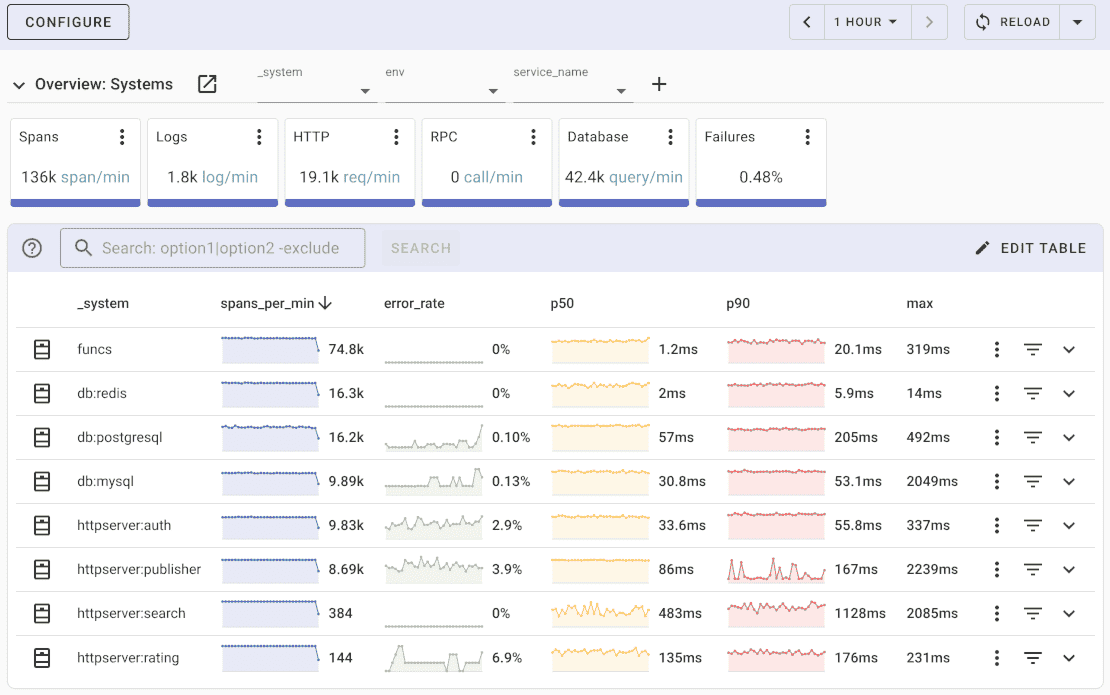
Uptrace is a lightweight, OpenTelemetry-native observability platform built on ClickHouse for high-performance analytics. It's an excellent Dynatrace alternative for teams that primarily need fast distributed tracing and APM without the complexity, cost, or operational overhead of a full enterprise platform.
Uptrace's simplicity is its strength. Where Dynatrace aims to be the single source of truth for an entire enterprise, Uptrace excels as a focused tracing and metrics backend that can be deployed in minutes and paired with other best-of-breed tools for full observability coverage.
| Tool | Deployment | Metrics | Logs | Traces | Pricing Model | Key Advantage Over Dynatrace | Migration Ease |
|---|---|---|---|---|---|---|---|
| OpenObserve | Self-hosted / Cloud | ✅ | ✅ | ✅ | Usage-based, no per-user | 60–90% cost savings, OTel-native, no DDUs | ⭐⭐⭐⭐⭐ |
| Datadog | SaaS | ✅ | ✅ | ✅ | Host + usage-based | 900+ integrations, richer developer UX | ⭐⭐⭐⭐ |
| New Relic | SaaS | ✅ | ✅ | ✅ | User + data ingestion | 780+ integrations, easier team onboarding | ⭐⭐⭐⭐ |
| Grafana Stack | Self-hosted / Cloud | ✅ | ✅ | ✅ | OSS free + Grafana Cloud | Maximum flexibility, zero vendor lock-in | ⭐⭐⭐ |
| Honeycomb | SaaS only | ⚠️ | ⚠️ | ✅ | Event-based | Best high-cardinality tracing for microservices | ⭐⭐⭐⭐⭐ |
| Elastic Observability | Self-hosted / Cloud | ✅ | ✅ | ✅ | Data-volume based | Superior log search, existing ELK expertise | ⭐⭐⭐ |
| Splunk Obs. Cloud | SaaS / On-prem | ✅ | ✅ | ✅ | Data-volume based | Enterprise compliance, SIEM convergence | ⭐⭐⭐ |
| Coralogix | SaaS | ✅ | ✅ | ✅ | Usage + tiering | Streama cost optimization, transparent billing | ⭐⭐⭐⭐ |
| AppDynamics | SaaS / On-prem | ✅ | ✅ | ✅ | Unit-based | Business transaction mapping, Cisco ecosystem | ⭐⭐⭐ |
| Uptrace | Self-hosted / Cloud | ✅ | ✅ | ✅ | Open Source + Cloud | Lightweight OTel-native APM, ClickHouse speed | ⭐⭐⭐⭐⭐ |
⚠️ = Partial support
The ideal replacement depends on your team's unique constraints and priorities. Use this decision framework:
If Dynatrace's DDU pricing is causing bill shock, prioritize alternatives with transparent, usage-based billing. OpenObserve and the Grafana Stack eliminate per-unit billing entirely at the open-source tier. Coralogix is the best commercial option for predictable, optimized log costs with tiered data routing.
If Dynatrace's Davis AI is a key part of your SRE workflow, Datadog (Watchdog AI) and AppDynamics (Cognition Engine) offer the closest commercial equivalents both providing automated anomaly detection and root cause suggestions, though with different methodologies.
For teams wanting to escape proprietary agents and instrument via OTel standards, the smoothest migrations are to OpenObserve, Honeycomb, and Uptrace all built natively for OTLP ingestion. Simply point your OpenTelemetry Collector at the new backend with no application code changes.
If Dynatrace's per-user licensing is restricting access across your engineering organization, choose platforms with no seat-based pricing: OpenObserve, Grafana Stack, Honeycomb, or Coralogix.
For HIPAA, SOC2, FedRAMP, or air-gapped requirements, self-hosted options like OpenObserve, Grafana Stack, and Elastic provide full data residency control. Commercial options with strong compliance certifications include Splunk and Datadog.
OpenObserve and the Grafana Stack (Prometheus + Loki + Tempo) are the most widely adopted in Kubernetes-native environments. Both have deep CNCF ecosystem integrations and treat OpenTelemetry as a first-class citizen.
If connecting technical performance to business KPIs is critical, AppDynamics is the only platform that natively maps transaction health to revenue metrics and customer conversion outcomes at the application level.
💡 Best Practice: The safest migration approach is to run your new platform in parallel alongside Dynatrace for 2–4 weeks. Configure the OpenTelemetry Collector to dual-export telemetry to both backends simultaneously. Validate alert parity, dashboard coverage, and query performance before cutting over fully.
Dynatrace is a powerful enterprise observability platform, but it is far from the only option in 2026. The market has matured significantly, and today's best Dynatrace alternatives match or exceed its capabilities in specific domains at a fraction of the cost and complexity.
Key takeaways:
OpenObserve is the top open-source alternative, offering unified logs, metrics, and traces with 140x compression, no per-user pricing, and native OpenTelemetry support. The Grafana Stack (Prometheus + Loki + Tempo) is another excellent choice for teams wanting maximum flexibility with CNCF-standard tooling and full data ownership.
Yes if you adopt the OpenTelemetry standard. Tools like OpenObserve, Honeycomb, Uptrace, and Grafana are all OTel-native. Instrument your services once with the OTel SDK and point the OTel Collector at any backend, permanently eliminating dependence on Dynatrace's proprietary OneAgent.
OpenObserve delivers the most significant cost savings up to 60–90% through its 140x storage compression and usage-based pricing model with no seat fees. For log-heavy workloads specifically, Coralogix's Streama tiering can similarly reduce costs by routing non-critical logs to cheap cold storage automatically.
Datadog comes closest to Dynatrace's one-click instrumentation experience, offering auto-instrumentation libraries for 50+ languages and automatic service dependency mapping. New Relic also provides broad auto-instrumentation support. For open-source options, OpenTelemetry's auto-instrumentation agents cover most major languages without proprietary agents.
Honeycomb is the standout choice for high-cardinality distributed tracing in microservices environments. Its event-based model preserves full trace context without aggressive sampling, enabling fast exploration of unknown failure modes. OpenObserve and Uptrace are excellent open-source alternatives for high-volume distributed tracing.
For large enterprises with complex hybrid environments, regulated industries requiring automated compliance posture, and organizations that heavily depend on Davis AI for automated root cause analysis, Dynatrace remains a strong and defensible choice. However, for cloud-native teams, startups, and organizations prioritizing open standards and cost predictability, the alternatives in this guide offer compelling often superior value for money.
Passionate about observability, AI systems, and cloud-native tools. All in on DevOps and improving the developer experience.