Open source APM (Application Performance Monitoring) tools provide powerful alternatives to proprietary solutions, offering transparency, customization, and significant cost savings. With the ability to verify source code, self-host for complete data control, and avoid vendor lock-in, open source APM tools have become the preferred choice for organizations seeking flexibility without sacrificing capabilities.
However, several factors drive teams to carefully evaluate their open source APM choices:
- Cost optimization: Eliminate licensing fees while maintaining enterprise-grade monitoring
- Data sovereignty: Keep all telemetry data on-premises or in specific geographic regions
- Vendor neutrality: Avoid lock-in with OpenTelemetry-native instrumentation
- Customization: Modify and extend tools to fit specific requirements
- Community support: Benefit from active development and community-driven improvements
In this guide, we'll explore the top ten open source APM tools that address these needs, from unified observability platforms to specialized tracing solutions.
Why Teams Are Choosing Open Source APM Tools
- Zero Licensing Costs: Open source tools are free to use, with costs limited to infrastructure and operational overhead rather than per-host or per-GB fees.
- Complete Data Control: Self-hosting ensures full ownership of telemetry data, critical for compliance with GDPR, HIPAA, and other regulations.
- No Vendor Lock-In: OpenTelemetry-native tools allow seamless migration between backends without changing application instrumentation.
- Transparency & Security: Ability to audit source code, verify security practices, and contribute fixes directly.
- Community Innovation: Active open source communities often deliver features faster than commercial vendors.
What to Look for in an Open Source APM Tool
When evaluating open source APM tools, assess these critical dimensions:
| Criterion |
Why It Matters |
What to Evaluate |
How to Test |
| Unified Observability |
Reduces tool sprawl and context switching |
Single platform for metrics, logs, traces; Correlated views |
Run distributed transaction and trace across signals |
| OpenTelemetry Support |
Ensures vendor neutrality and future flexibility |
Native OTLP ingestion; Collector compatibility |
Deploy OTel Collector and verify data flow |
| Storage Efficiency |
Controls infrastructure costs at scale |
Compression ratios; Storage backends; Retention policies |
Benchmark storage growth with production data |
| Query Performance |
Enables fast incident investigation |
Query language (SQL, PromQL); Response times |
Run complex queries on large datasets |
| Deployment Simplicity |
Reduces operational overhead |
Docker/Kubernetes support; Documentation quality |
Deploy in test environment and measure time-to-value |
| Scalability |
Handles growth without architecture changes |
Horizontal scaling; High availability options |
Load test with projected data volumes |
| Community Health |
Indicates long-term viability |
GitHub activity; Release frequency; Issue response times |
Review commits, PRs, and community discussions |
| Alerting Capabilities |
Enables proactive monitoring |
Alert rules; Notification channels; Anomaly detection |
Configure production-grade alerts |
| Visualization |
Supports effective troubleshooting |
Dashboard flexibility; Pre-built templates |
Build dashboards for key use cases |
Top 10 Open Source APM Tools: Comparison & Use Cases
1. OpenObserve
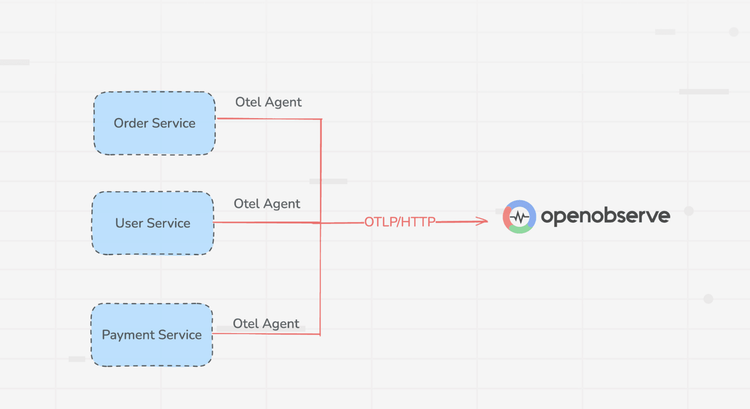
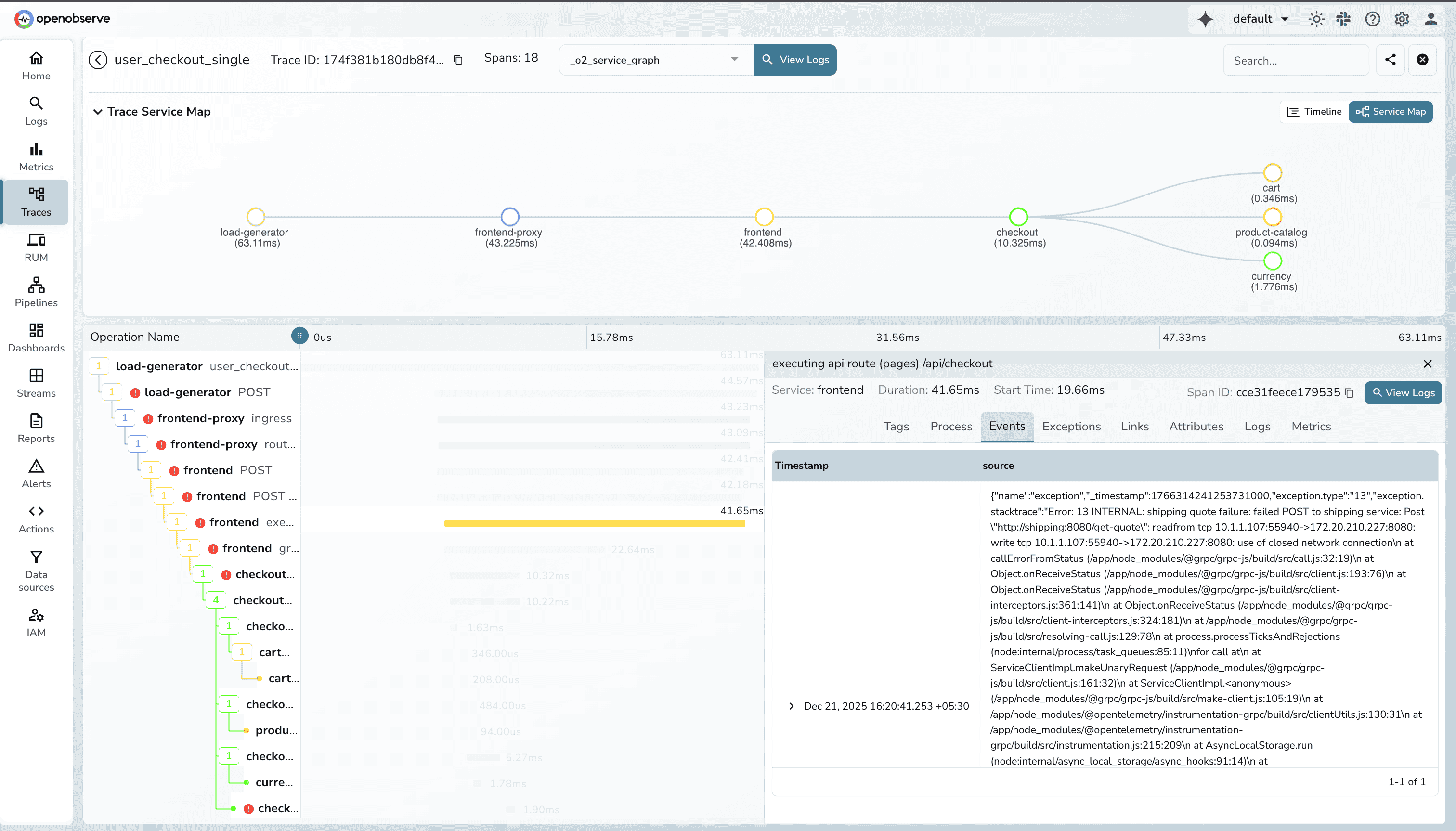
OpenObserve is the #1 open source APM and observability platform, delivering unified logs, metrics, traces, and APM with 140x lower storage costs compared to Elasticsearch. Built with Rust for exceptional performance, it provides a complete alternative to commercial APM tools without the complexity or cost.
OpenObserve Pros:
- Unified Observability Platform: Logs, metrics, traces, and APM in a single self-hosted solution
- 140x Storage Reduction: Proprietary compression technology dramatically lowers infrastructure costs
- OpenTelemetry-Native: First-class OTLP support for vendor-neutral instrumentation
- SQL-Based Queries: Familiar query language instead of proprietary DSLs
- Built-in Dashboards & Alerting: No need for separate visualization tools
- Real User Monitoring (RUM): Frontend performance monitoring included
- Simple Deployment: Single binary or Docker/Kubernetes with minimal configuration
- Active Development: Frequent releases with rapid feature additions
OpenObserve Cons:
- Growing yet newer project compared to established tools like Prometheus or Jaeger
Integration / Mitigation:
- OpenTelemetry Collector provides seamless data ingestion from any source
- Compatible with Prometheus remote write for metrics migration
- Prebuilt dashboards accelerate adoption
- Active Slack community provides rapid support
Best For:
Teams seeking a unified, cost-effective open source APM solution that replaces multiple tools (ELK, Prometheus, Jaeger) with a single platform while maintaining full data ownership.
2. Grafana Stack (Prometheus + Loki + Tempo + Mimir)
Grafana Stack (also known as LGTM) combines best-in-class open source tools for metrics (Prometheus/Mimir), logs (Loki), and traces (Tempo) with Grafana's industry-leading visualization layer.

Grafana Stack Pros:
- Industry-Standard Components: Prometheus is the de facto standard for Kubernetes metrics
- Best-in-Class Dashboards: Grafana visualization capabilities are unmatched
- Massive Ecosystem: Thousands of exporters, plugins, and community dashboards
- Flexible Architecture: Mix and match components based on needs
- Strong Community: Large, active community with extensive documentation
- Cloud-Native Ready: Designed for Kubernetes and containerized environments
Grafana Stack Cons:
- Requires managing 4+ separate systems (Prometheus, Loki, Tempo, Mimir, Grafana)
- Operational complexity increases significantly at scale
- No unified query language across signals
- Higher infrastructure overhead compared to unified platforms
Integration / Mitigation:
- Grafana Cloud offers managed deployment for reduced operational burden
- Helm charts and operators simplify Kubernetes deployment
- Can adopt incrementally (start with Prometheus, add Loki later)
- OpenTelemetry Collector unifies data collection
Best For:
Teams with strong DevOps expertise who want maximum flexibility and are comfortable managing multiple systems. Ideal for organizations already invested in Prometheus.
3. Jaeger
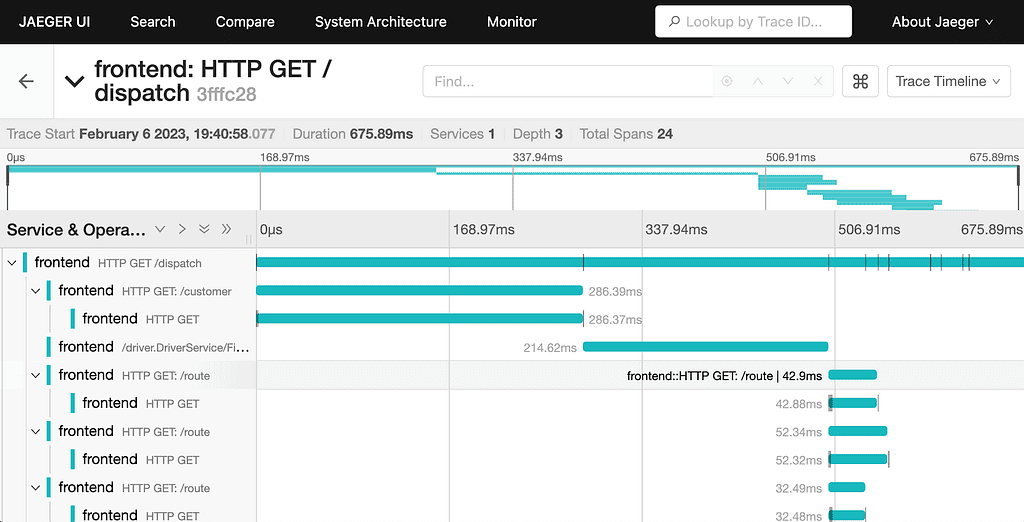
Jaeger is a CNCF-graduated distributed tracing system originally developed at Uber. It's one of the most widely adopted open source tracing solutions, providing end-to-end transaction monitoring for microservices.
Jaeger Pros:
- CNCF Graduated: Production-ready with strong governance and long-term support
- Mature & Battle-Tested: Used at scale by Uber, Red Hat, and thousands of organizations
- OpenTelemetry Compatible: Native support for OTLP ingestion
- Flexible Storage: Supports Cassandra, Elasticsearch, Kafka, and more
- Service Dependency Visualization: Automatic service topology mapping
- Adaptive Sampling: Intelligent sampling strategies for high-volume environments
Jaeger Cons:
- Tracing-only — requires separate tools for metrics and logs
- UI focused on trace exploration, limited dashboarding
- High-cardinality querying is constrained
- Operational complexity with separate collector, query, and storage components
Integration / Mitigation:
- Pairs well with Prometheus (metrics) and Loki (logs) for full observability
- OpenTelemetry Collector simplifies deployment
- Jaeger Operator automates Kubernetes deployment
- Can feed data to OpenObserve or Grafana for unified visualization
Best For:
Teams specifically focused on distributed tracing in microservices architectures who already have separate metrics and logging solutions in place.
4. Apache SkyWalking
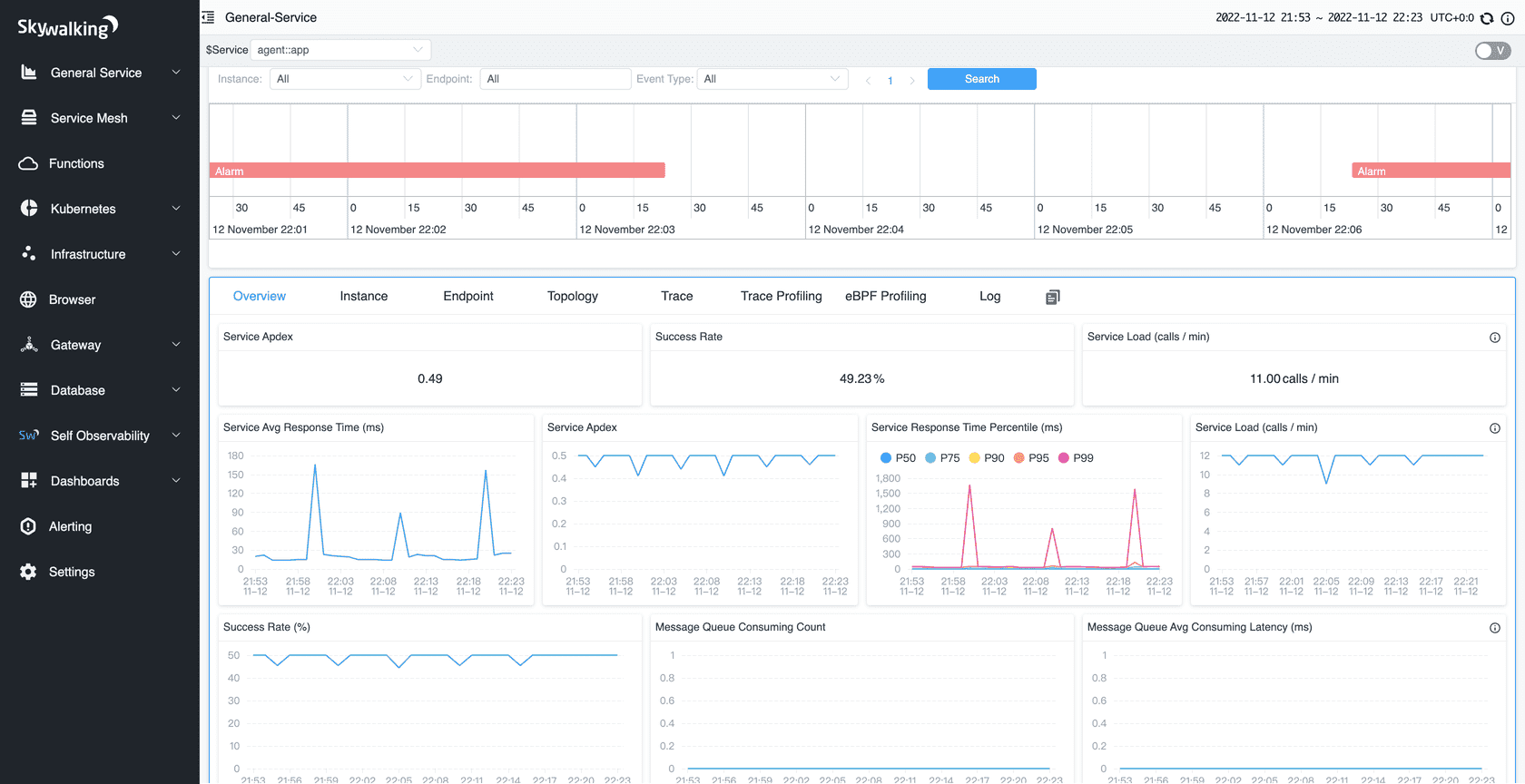
Apache SkyWalking is a full-stack APM platform designed for microservices, cloud-native, and container-based architectures. It provides automatic instrumentation, distributed tracing, metrics, and service topology visualization.
Apache SkyWalking Pros:
- Full-Stack APM: Traces, metrics, logs, and service mesh observability in one platform
- Automatic Instrumentation: Java, .NET, Node.js, Python agents with zero-code changes
- Service Topology: Automatic dependency mapping and visualization
- Low Overhead: ~3% performance impact with optimized agents
- Flexible Storage: Elasticsearch, MySQL, TiDB, BanyanDB backends
- Apache Foundation: Strong governance and enterprise adoption
Apache SkyWalking Cons:
- Primarily agent-based — less flexible than OpenTelemetry-native tools
- UI learning curve for non-Java teams
- Heavier resource requirements for full deployment
- Less active community than Prometheus/Grafana ecosystem
Integration / Mitigation:
- OpenTelemetry receiver enables hybrid instrumentation strategies
- Can integrate with Zipkin and Jaeger data sources
- Kubernetes operator simplifies deployment
- Works well for Java-heavy environments
Best For:
Teams running Java-based microservices who want comprehensive APM with automatic instrumentation and service topology visualization without manual configuration.
5. Elastic APM
Elastic APM is part of the Elastic Observability suite, providing application performance monitoring tightly integrated with Elasticsearch and Kibana for unified log, metric, and trace analysis.
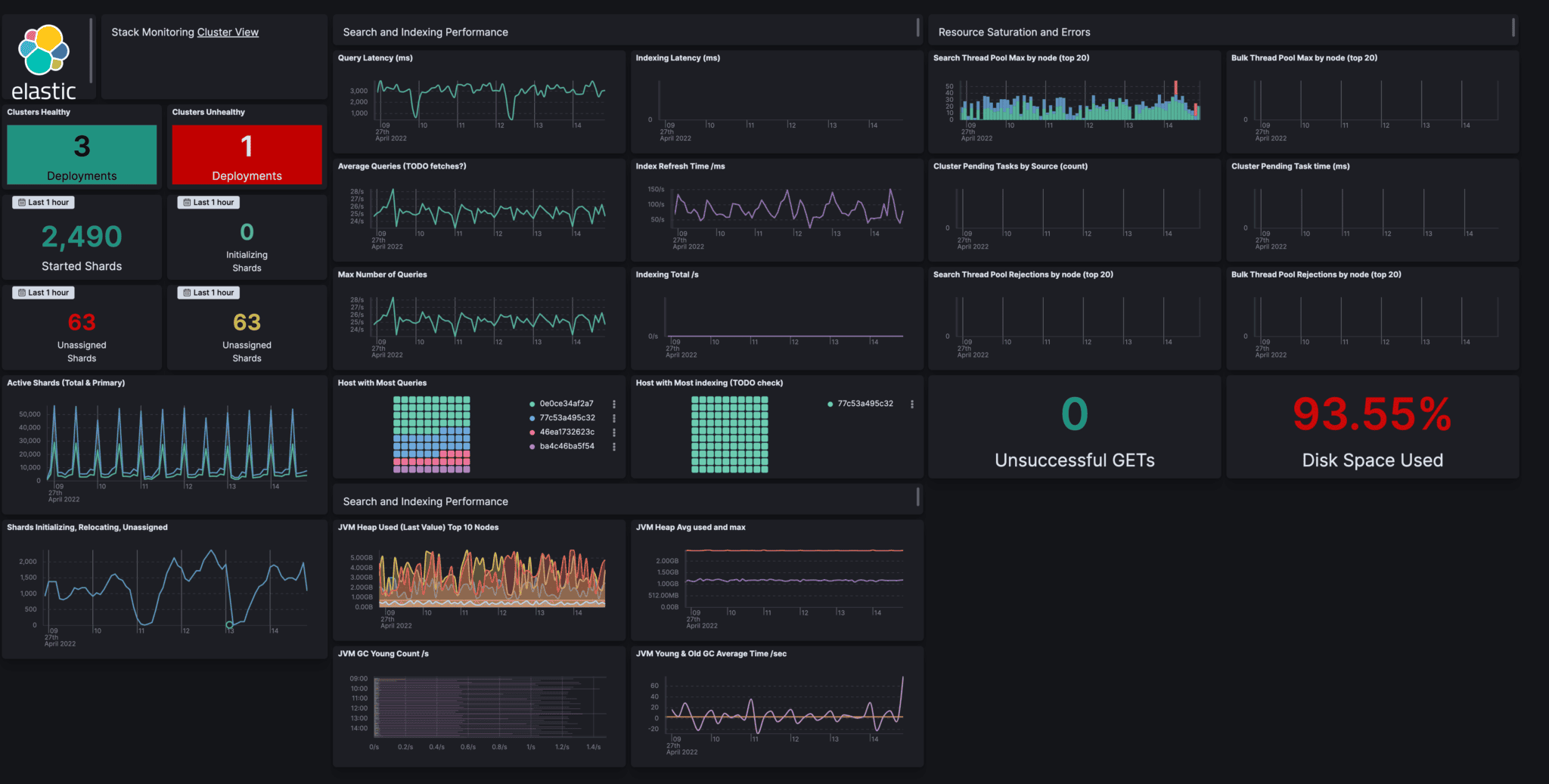
Elastic APM Pros:
- Powerful Search: Elasticsearch's full-text search capabilities for trace and log analysis
- Unified ELK Integration: Seamless correlation with logs and infrastructure metrics
- Rich Visualization: Kibana provides sophisticated dashboards and exploration
- OpenTelemetry Support: Native OTLP ingestion alongside Elastic agents
- Machine Learning: Anomaly detection and forecasting capabilities
- Mature Ecosystem: Large community and extensive documentation
Elastic APM Cons:
- Resource-intensive — Elasticsearch requires significant infrastructure
- Storage costs grow quickly at scale (dense indexing architecture)
- Complex cluster management and tuning required
- Steeper learning curve for full Elastic Stack
Integration / Mitigation:
- Elastic Cloud reduces operational burden with managed deployment
- Beats agents simplify data collection
- Can run alongside lighter tools for cost-sensitive workloads
- Fleet management centralizes agent configuration
Best For:
Organizations already invested in the Elastic Stack (ELK) who want APM capabilities integrated with existing log management and search infrastructure.
6. Zipkin
Zipkin is one of the original open source distributed tracing systems, developed by Twitter. Its intentionally simple design makes it easy to understand, deploy, and operate for teams new to distributed tracing.
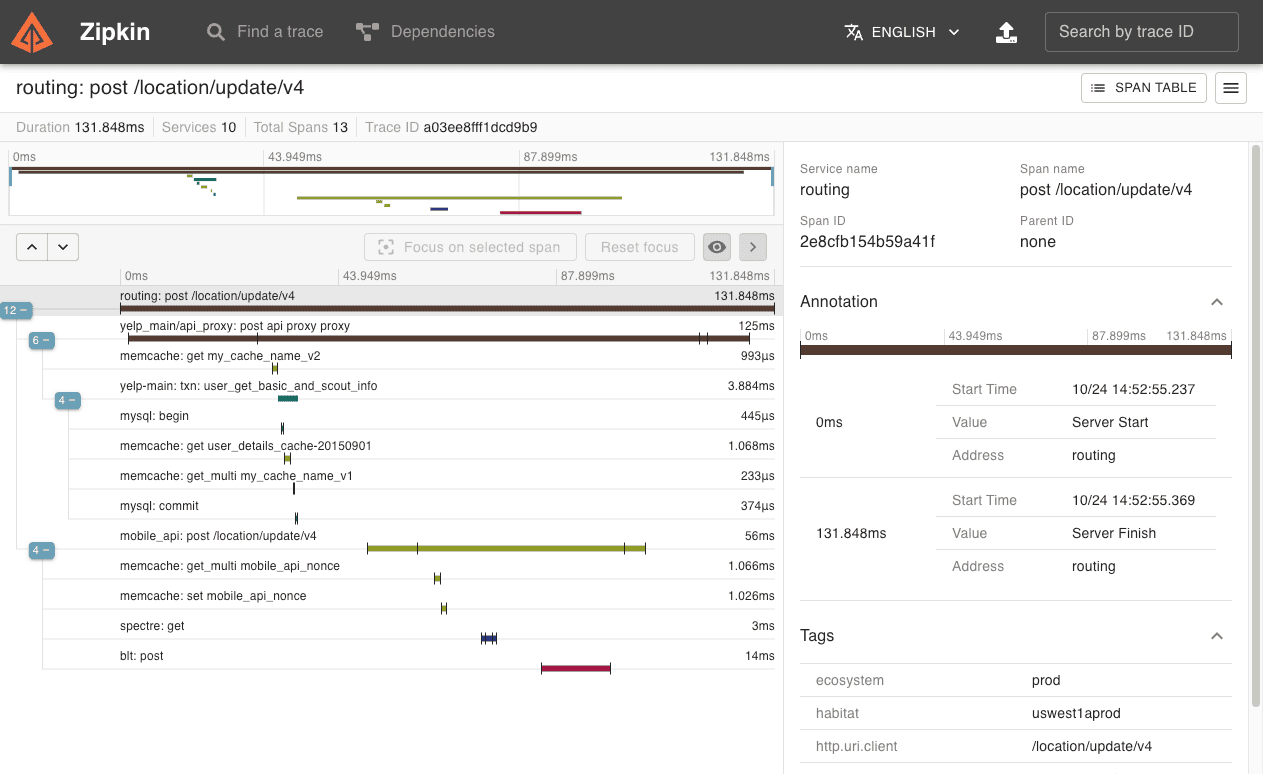
Zipkin Pros:
- Simple & Lightweight: Easy to understand architecture and quick setup
- Wide Language Support: Client libraries for Java, JavaScript, Ruby, Go, and more
- Flexible Storage: In-memory, MySQL, Cassandra, Elasticsearch backends
- Educational Value: Excellent for learning distributed tracing concepts
- Low Resource Requirements: Runs efficiently on minimal infrastructure
- Stable & Mature: Years of production use with predictable behavior
Zipkin Cons:
- Limited to tracing — no metrics or log capabilities
- Basic UI with limited exploration features
- High-cardinality querying is constrained
- Feature development slower than newer alternatives
- Most production systems outgrow it quickly
Integration / Mitigation:
- OpenTelemetry Collector can export to Zipkin format
- Pairs with Prometheus and ELK for complete observability
- Good starting point before migrating to more capable tools
- Can feed data to Jaeger or other backends
Best For:
Teams new to distributed tracing who want a simple, lightweight solution for learning and small-scale deployments before adopting more comprehensive tools.
7. Prometheus
Prometheus is the CNCF-graduated monitoring system and time-series database that has become the industry standard for metrics collection, particularly in Kubernetes environments.
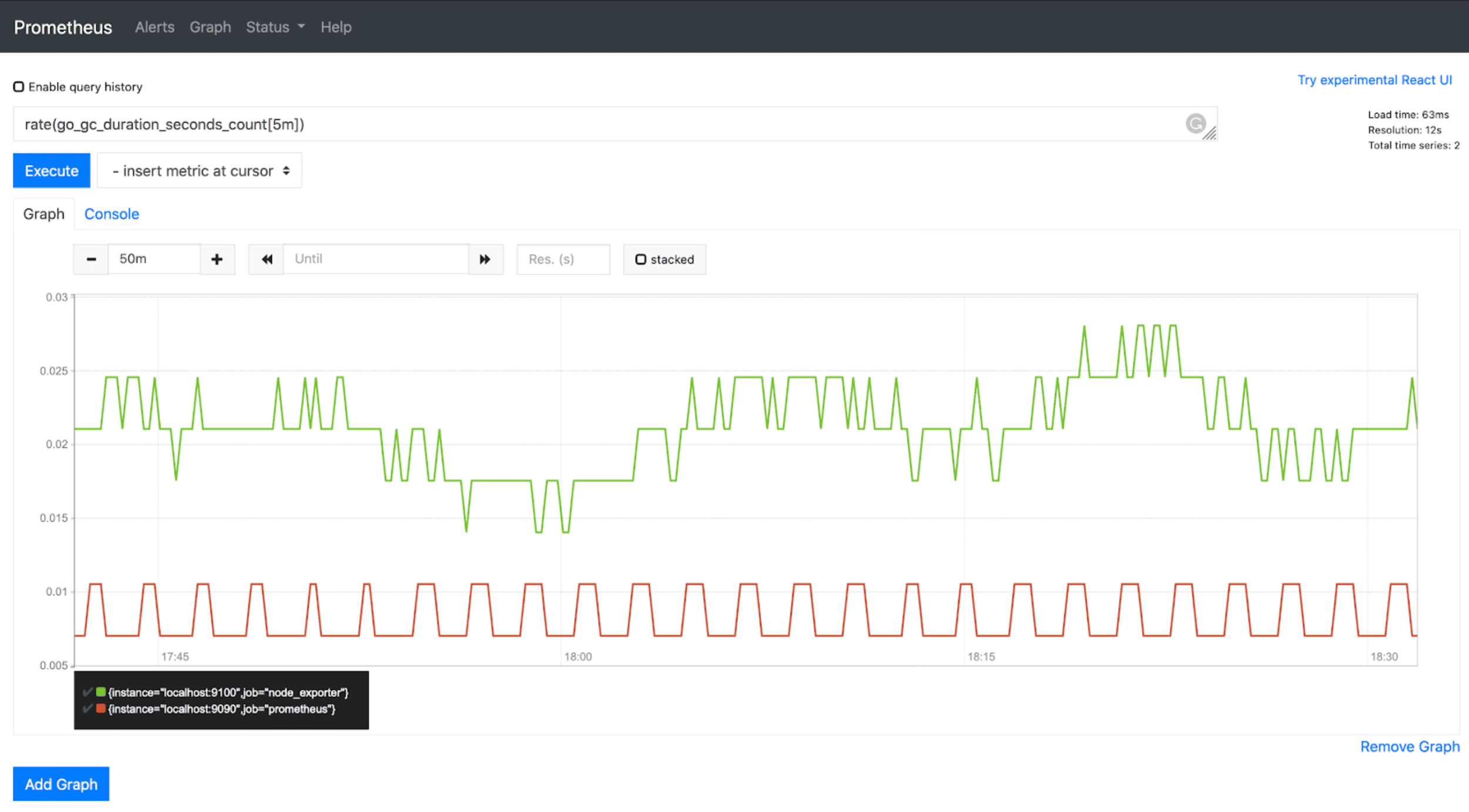
Prometheus Pros:
- Industry Standard: De facto choice for Kubernetes and cloud-native metrics
- Powerful Query Language: PromQL enables sophisticated metric analysis
- Pull-Based Architecture: Simplifies service discovery and configuration
- Robust Alerting: Alertmanager provides flexible notification routing
- Massive Ecosystem: Thousands of exporters for every conceivable data source
- Federation: Scale across multiple Prometheus instances
Prometheus Cons:
- Metrics-only — requires separate tools for logs and traces
- Local storage limitations for long-term retention
- No built-in high availability (requires external solutions)
- Pull model can be challenging for short-lived workloads
Integration / Mitigation:
- Remote write to Mimir, Thanos, or VictoriaMetrics for long-term storage
- OpenObserve accepts Prometheus remote write for unified observability
- Grafana provides visualization layer
- OpenTelemetry Collector can convert to Prometheus format
Best For:
Teams focused primarily on infrastructure and application metrics, especially in Kubernetes environments, who will integrate with separate logging and tracing solutions.
8. Uptrace
Uptrace is an OpenTelemetry-native APM tool built on ClickHouse, providing distributed tracing, metrics, and logs with a focus on performance and cost efficiency.
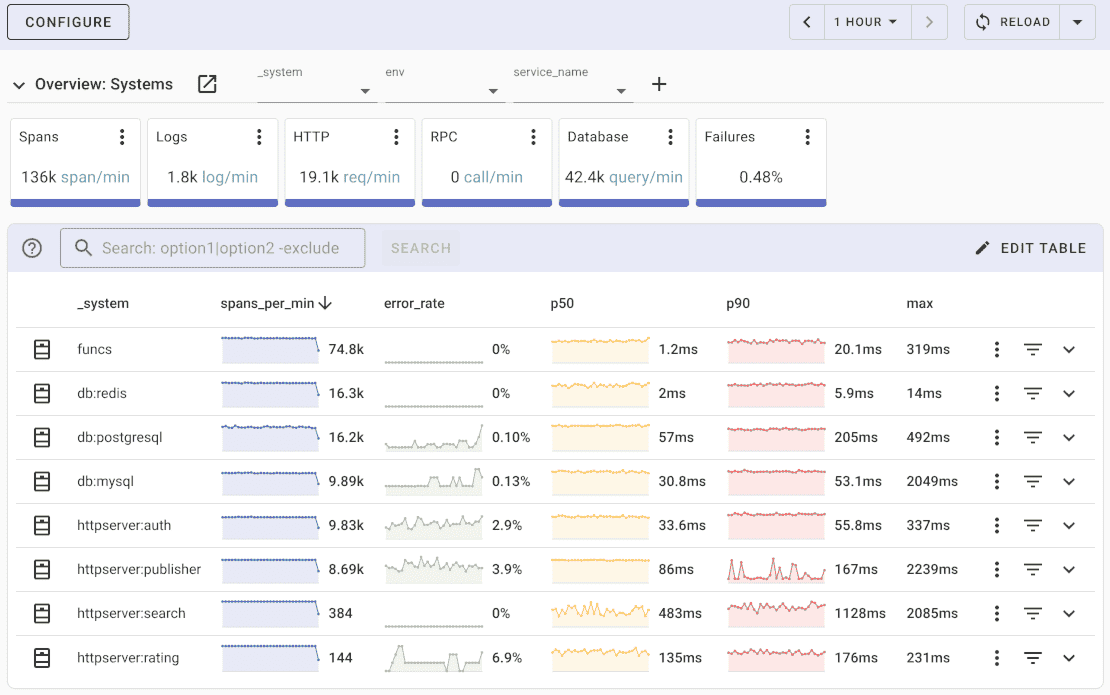
Uptrace Pros:
- OpenTelemetry-Native: Built from the ground up for OTLP
- ClickHouse Backend: Fast queries and efficient storage
- Unified Platform: Traces, metrics, and logs in one tool
- High-Cardinality Support: Handles complex attribute queries efficiently
- Simple Deployment: Docker and Kubernetes ready
- Self-Hosted or Cloud: Flexible deployment options
Uptrace Cons:
- Smaller community compared to Jaeger or Prometheus
- Less mature alerting capabilities
- Limited enterprise features in open source version
- Narrower integration ecosystem
Integration / Mitigation:
- OpenTelemetry Collector provides universal data collection
- ClickHouse expertise beneficial for optimization
- Docker Compose simplifies initial deployment
- Active development with regular releases
Best For:
Teams wanting an OpenTelemetry-native unified APM solution with efficient ClickHouse-based storage, particularly those comfortable with newer tools.
9. Pinpoint
Pinpoint is an open source APM tool designed for large-scale distributed systems, with particular strength in Java and PHP application monitoring.
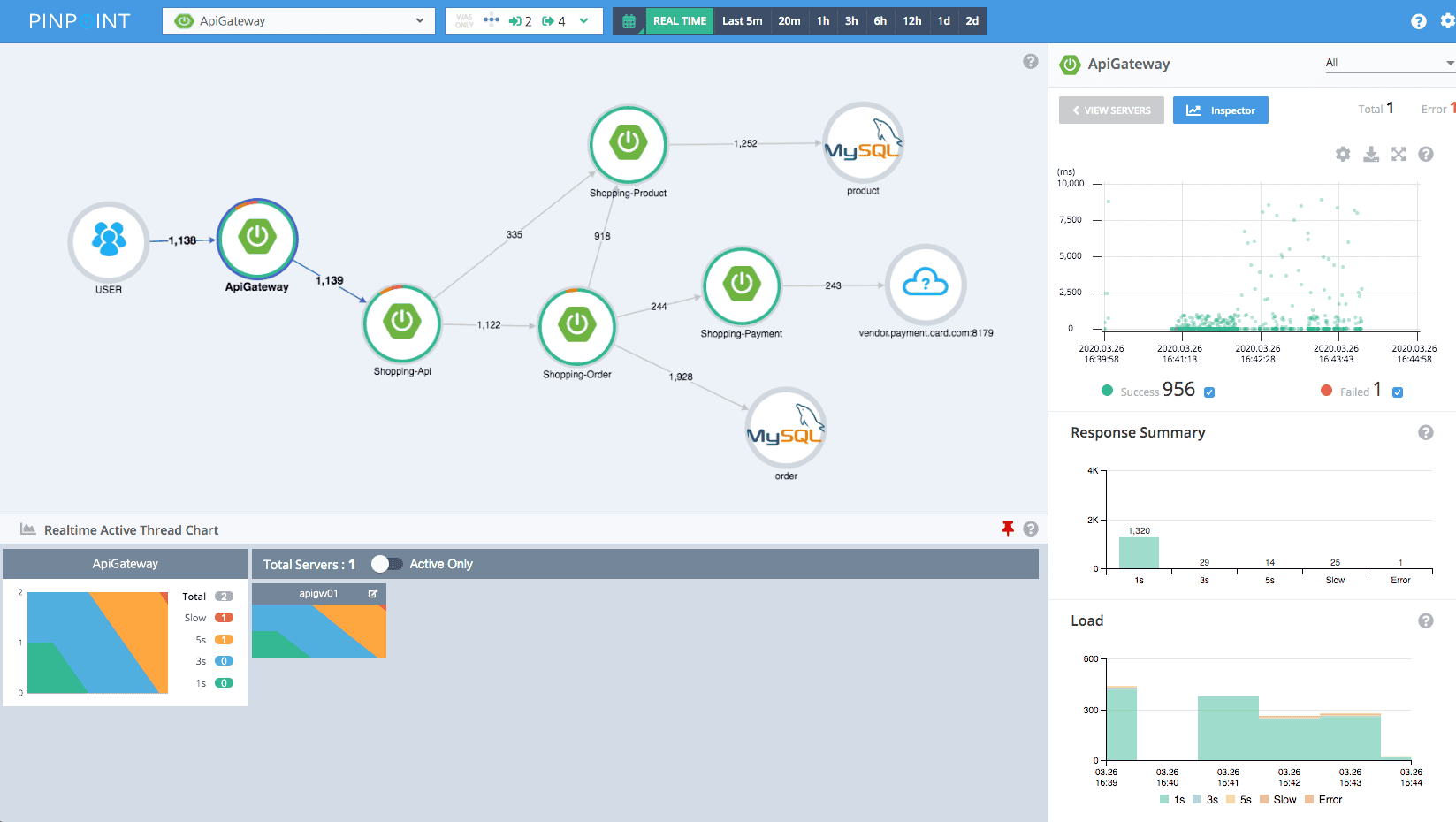
Pinpoint Pros:
- Deep Java APM: Bytecode instrumentation provides code-level visibility
- Low Overhead: ~3% performance impact with optimized agents
- Service Topology: Automatic dependency mapping and visualization
- Transaction Tracing: Detailed call trees and response time analysis
- No Code Changes: Agent-based instrumentation requires no application modifications
- HBase Backend: Designed for large-scale data storage
Pinpoint Cons:
- Primarily Java/PHP focused — limited support for other languages
- HBase dependency adds operational complexity
- Less active development than some alternatives
- UI can feel dated compared to modern tools
- Not OpenTelemetry-native
Integration / Mitigation:
- Best suited for Java-heavy enterprise environments
- Can complement other tools for non-Java services
- Docker deployment available for evaluation
- Active Korean community with English documentation
Best For:
Organizations running large-scale Java applications who need deep code-level APM with automatic instrumentation and can manage HBase infrastructure.
10. Coroot
Coroot is an open source observability platform that combines metrics, logs, traces, and continuous profiling with AI-powered root cause analysis and automatic SLO monitoring.
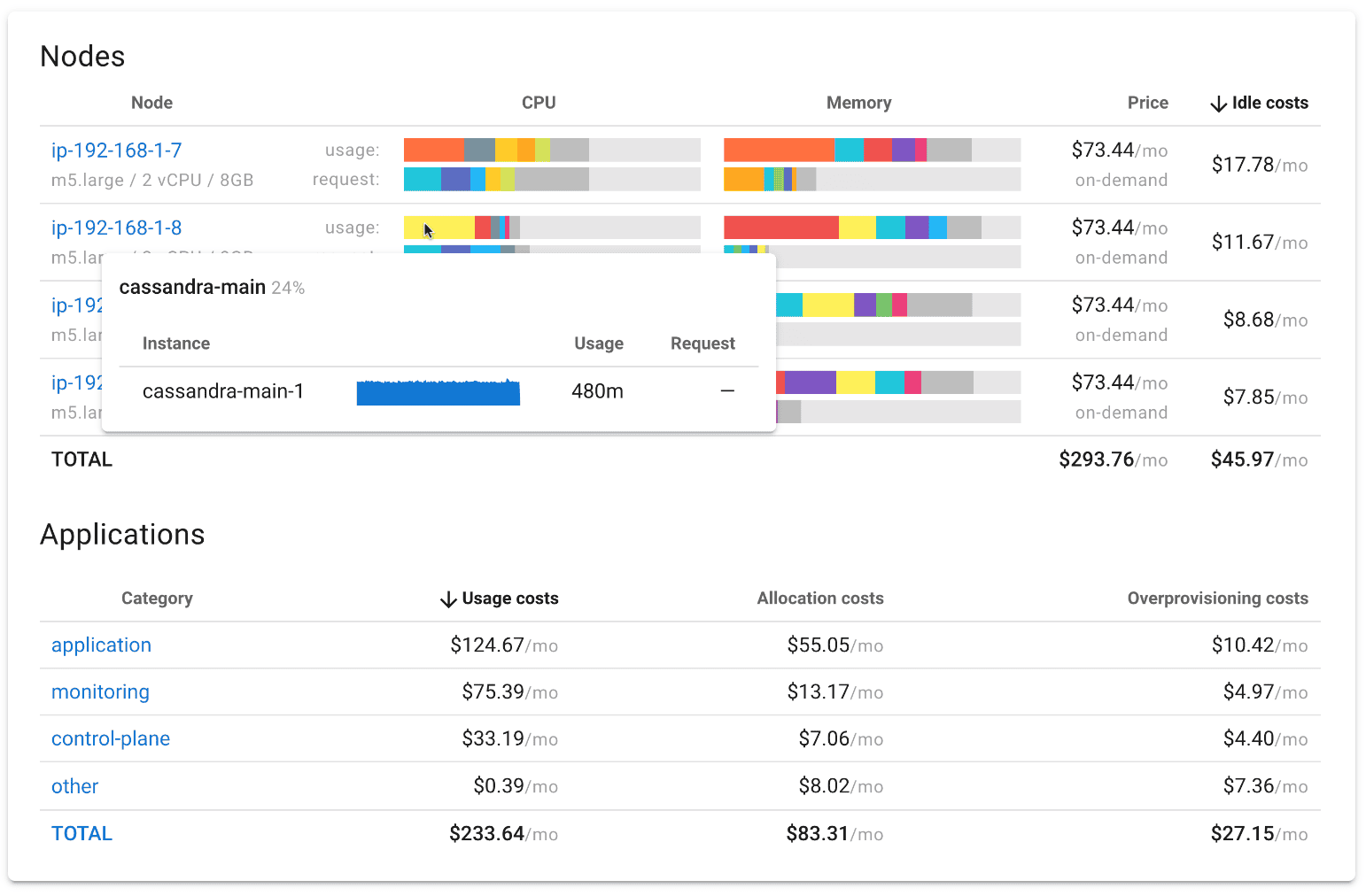
Coroot Pros:
- AI-Powered RCA: Automatic root cause analysis reduces investigation time
- eBPF-Based: Low-overhead data collection without application changes
- Predefined Dashboards: Out-of-the-box monitoring for common scenarios
- SLO Monitoring: Built-in service level objective tracking
- Continuous Profiling: CPU and memory profiling included
- Simple Setup: Quick deployment with automatic discovery
Coroot Cons:
- Newer project with smaller community
- eBPF requires Linux kernel 4.16+
- Less flexible than fully customizable solutions
- Enterprise features in commercial version
Integration / Mitigation:
- OpenTelemetry support for custom instrumentation
- Prometheus integration for existing metrics
- Docker and Kubernetes deployment ready
- Active development with responsive maintainers
Best For:
Teams wanting quick time-to-value with automatic discovery, AI-assisted troubleshooting, and built-in SLO monitoring without extensive configuration.
Comparison Table: Top 10 Open Source APM Tools
| Tool |
Metrics |
Logs |
Traces |
APM |
OpenTelemetry |
Storage Backend |
Best For |
| OpenObserve |
✅ |
✅ |
✅ |
✅ |
✅ Native |
Object Storage (S3, etc.) |
Unified observability with lowest storage costs |
| Grafana Stack |
✅ |
✅ |
✅ |
⚠️ |
✅ |
Multiple (per component) |
Maximum flexibility with modular architecture |
| Jaeger |
❌ |
❌ |
✅ |
⚠️ |
✅ Native |
Cassandra, ES, Kafka |
Dedicated distributed tracing |
| Apache SkyWalking |
✅ |
✅ |
✅ |
✅ |
✅ Receiver |
ES, MySQL, BanyanDB |
Java microservices with auto-instrumentation |
| Elastic APM |
✅ |
✅ |
✅ |
✅ |
✅ |
Elasticsearch |
ELK stack integration |
| Zipkin |
❌ |
❌ |
✅ |
❌ |
✅ Exporter |
MySQL, Cassandra, ES |
Simple, lightweight tracing |
| Prometheus |
✅ |
❌ |
❌ |
❌ |
✅ Exporter |
Local TSDB |
Kubernetes metrics standard |
| Uptrace |
✅ |
✅ |
✅ |
✅ |
✅ Native |
ClickHouse |
OTel-native unified APM |
| Pinpoint |
✅ |
❌ |
✅ |
✅ |
❌ |
HBase |
Large-scale Java APM |
| Coroot |
✅ |
✅ |
✅ |
✅ |
✅ |
ClickHouse |
AI-powered RCA with eBPF |
Conclusion
Open source APM tools have matured significantly, offering enterprise-grade capabilities without licensing costs or vendor lock-in.
- OpenObserve stands out for unified observability with the lowest storage costs and simplest deployment
- Grafana Stack offers maximum flexibility for teams with strong DevOps expertise
- Jaeger and Zipkin provide focused distributed tracing solutions
- Apache SkyWalking excels for Java microservices with automatic instrumentation
- Prometheus remains the standard for Kubernetes metrics
- OpenTelemetry adoption makes all these tools more interoperable than ever
The right choice depends on your team's specific needs, existing infrastructure, and operational capabilities. Many organizations find that modern open source tools not only eliminate licensing costs but also provide better performance, more flexibility, and features designed for cloud-native architectures.
Take the Next Step
Ready to implement open source APM?
Try OpenObserve: Start with the open source download or sign up for OpenObserve Cloud
FAQs: Open Source APM Tools
What is the best open source APM tool?
OpenObserve is the best overall open source APM tool, offering unified observability for logs, metrics, traces, and APM with lower storage costs. It's OpenTelemetry-native, uses familiar SQL queries, and provides both self-hosted and cloud deployment options.
Are open source APM tools production-ready?
Yes, absolutely. Tools like Prometheus, Jaeger, and OpenObserve are used in production by thousands of organizations including major enterprises. CNCF-graduated projects (Prometheus, Jaeger) have particularly strong governance and stability guarantees.
How much can I save with open source APM tools?
Organizations typically save 60-90% compared to commercial APM solutions. Savings come from eliminated licensing fees plus reduced infrastructure costs with efficient tools like OpenObserve.
Can I migrate from commercial APM tools to open source?
Yes. Using OpenTelemetry, you can instrument applications once and send data to any compatible backend. This allows gradual migration from commercial tools (Datadog, New Relic) to open source alternatives without changing application code.
Which open source APM tool is best for Kubernetes?
Prometheus is the industry standard for Kubernetes metrics. For full-stack observability (metrics + logs + traces), OpenObserve or Grafana Stack provide comprehensive Kubernetes monitoring with native support for container and pod-level visibility.
Do open source APM tools support OpenTelemetry?
Yes, most modern open source APM tools support OpenTelemetry. OpenObserve, Jaeger, and Uptrace are OpenTelemetry-native. Grafana Stack, Elastic APM, and Apache SkyWalking also support OTLP ingestion alongside their native agents.
What's the difference between Jaeger and Zipkin?
Both are distributed tracing systems. Jaeger (CNCF graduated) offers more features including adaptive sampling, better scalability, and richer UI. Zipkin is simpler and lighter, making it better for learning or small deployments. Both support OpenTelemetry.
Should I use a unified platform or separate tools?
Unified platforms (OpenObserve, SkyWalking) reduce operational complexity and enable better signal correlation. Separate tools (Prometheus + Jaeger + Loki) offer maximum flexibility but require more operational expertise. Choose based on your team's capabilities.