
Top 11 Splunk Alternatives: Complete Comparison Guide

Simran Kumari
February 04, 2026
15 min read
Don’t forget to share!



Try OpenObserve Cloud today for more efficient and performant observability.
Splunk is a powerful data platform for searching, monitoring, and analyzing machine-generated data. It has long been the industry leader for log management, security information and event management (SIEM), and IT operations analytics. With capabilities spanning real-time monitoring, advanced analytics, and flexible deployment options, Splunk serves organizations from startups to Fortune 500 enterprises.
However, several factors drive teams to seek alternatives:
In this guide, we'll explore eleven alternatives that address these concerns, from open-source platforms to specialized SaaS solutions.
Splunk's pricing can quickly spiral out of control. A startup ingesting just 5GB/day faces approximately $44,000-$47,000 annually when factoring in licensing, infrastructure, and administration costs. Mid-size companies handling 50GB/day can expect $235,000-$250,000 annually, while enterprise deployments at 500GB/day reach $1.17-$1.27 million per year.
Organizations need dedicated Splunk administrators (costing $120,000-$170,000 annually), extensive training programs, and ongoing optimization efforts. The proprietary SPL query language creates a knowledge barrier that alternatives with SQL-like syntax don't have.
Cloud-native applications generate massive volumes of telemetry data, conflicting with Splunk's legacy per-GB pricing model. Teams need tools designed for Kubernetes, microservices, serverless functions, and containerized environments.
Organizations in regulated industries need flexible deployment options, including self-hosted solutions that keep data on-premises or in specific geographic regions.
When evaluating Splunk alternatives in 2026, assess these critical dimensions:
| Criterion | Why It Matters | What to Evaluate |
|---|---|---|
| Cost Structure | Budget predictability and scale economics | Transparent pricing, no hidden fees, cost at 2x, 5x, 10x scale |
| Unified Observability | Reduces tool sprawl and context switching | Single pane for metrics, logs, traces; correlated views |
| Query Language | Investigation efficiency and onboarding | SQL support, PromQL, learning curve vs. SPL |
| Scalability | Performance as data volume grows | Ingestion throughput, query performance, storage efficiency |
| Deployment Options | Compliance, control, flexibility | Self-hosted, cloud, hybrid options |
| OpenTelemetry Support | Vendor neutrality and migration ease | Native OTel ingestion, collector compatibility |
| Security Features | SIEM and compliance requirements | Threat detection, UEBA, compliance frameworks |
| Integration Ecosystem | Works with existing stack | Cloud providers, databases, third-party tools |
Jump to the comparison table comparing different Splunk alternatives.
OpenObserve is the leading open-source Splunk alternative for teams wanting unified observability without the high costs, complex pricing, or vendor lock-in.
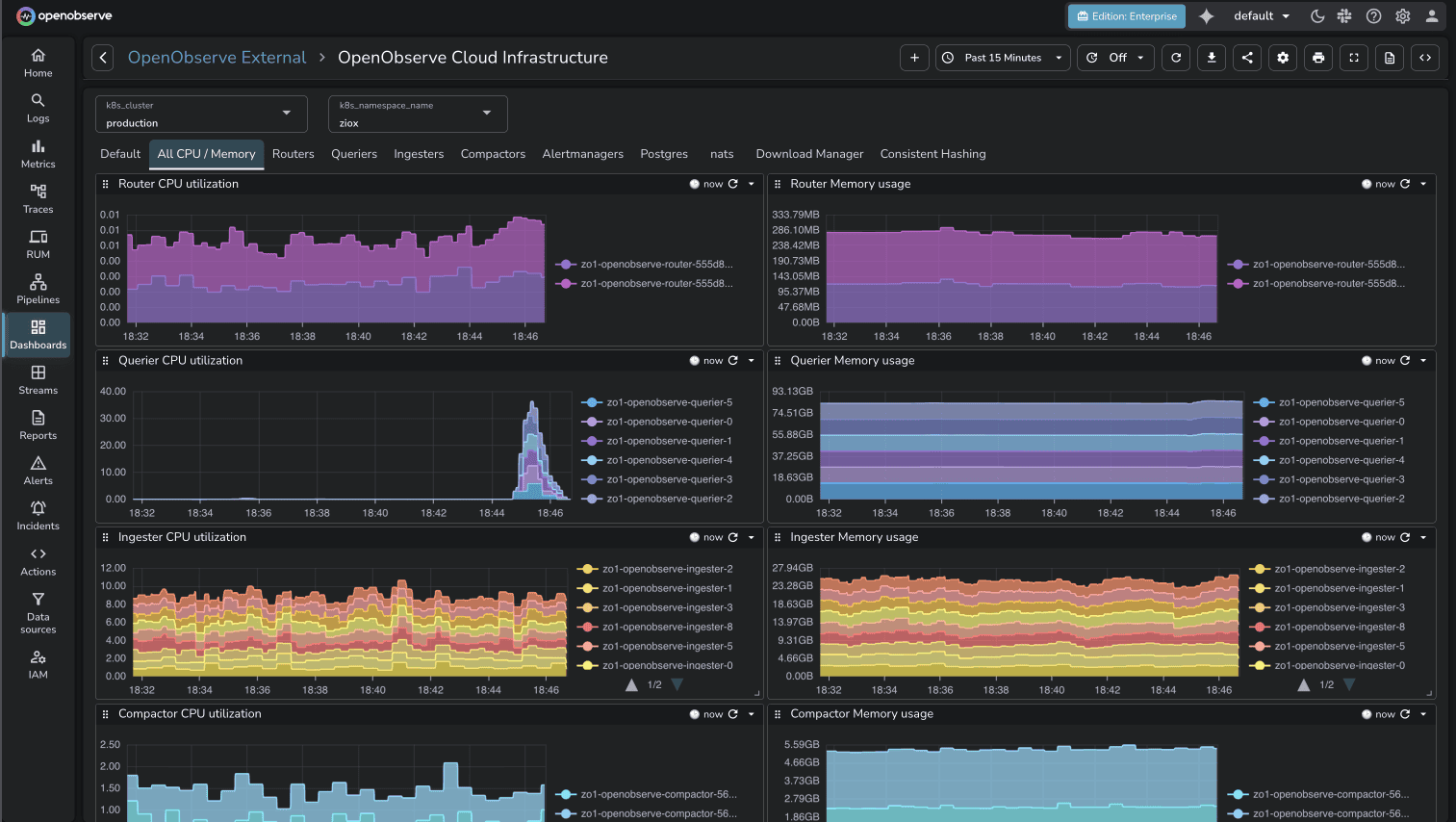
Best For: Organizations seeking a cost-effective, unified observability platform with SQL-based querying
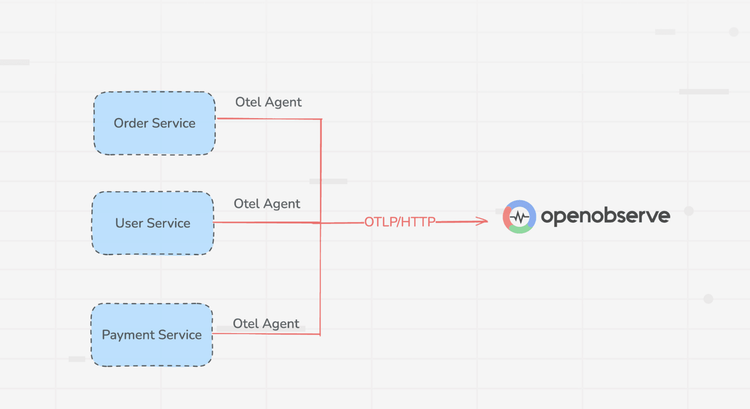
OpenObserve supports OpenTelemetry Collector as a direct replacement for Splunk forwarders, enabling gradual migration without rewriting instrumentation.
Elastic Observability is a well-established Splunk alternative known for powerful full-text search and log analytics capabilities.
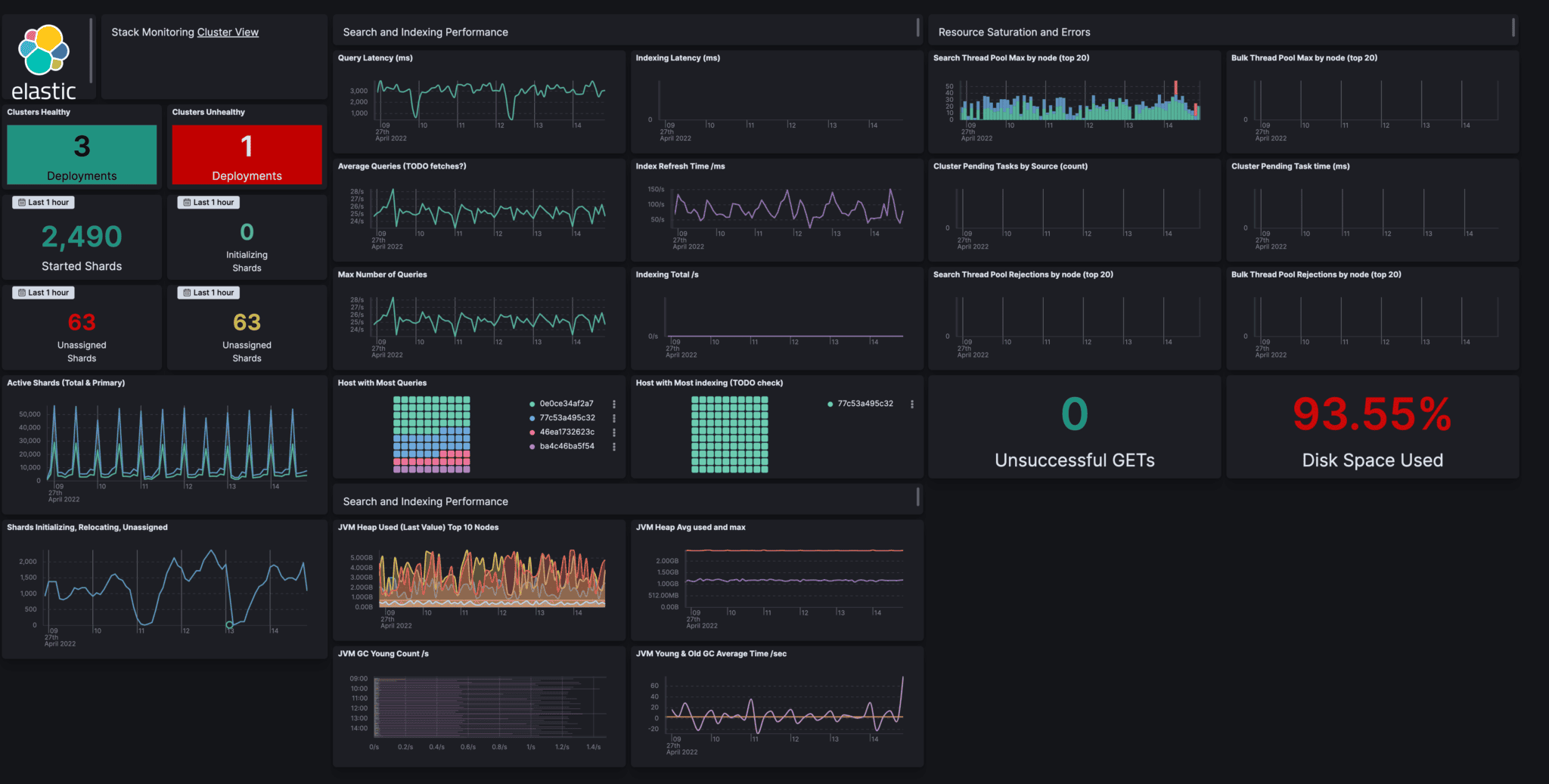
Best For: Teams heavily focused on log search and analytics with existing Elasticsearch expertise
Beats and Logstash can replace Splunk Universal Forwarders. Elastic Cloud reduces operational burden for teams leaving self-hosted Splunk.
Datadog is a comprehensive cloud monitoring and observability platform offering metrics, logs, traces, and APM in a unified SaaS solution.
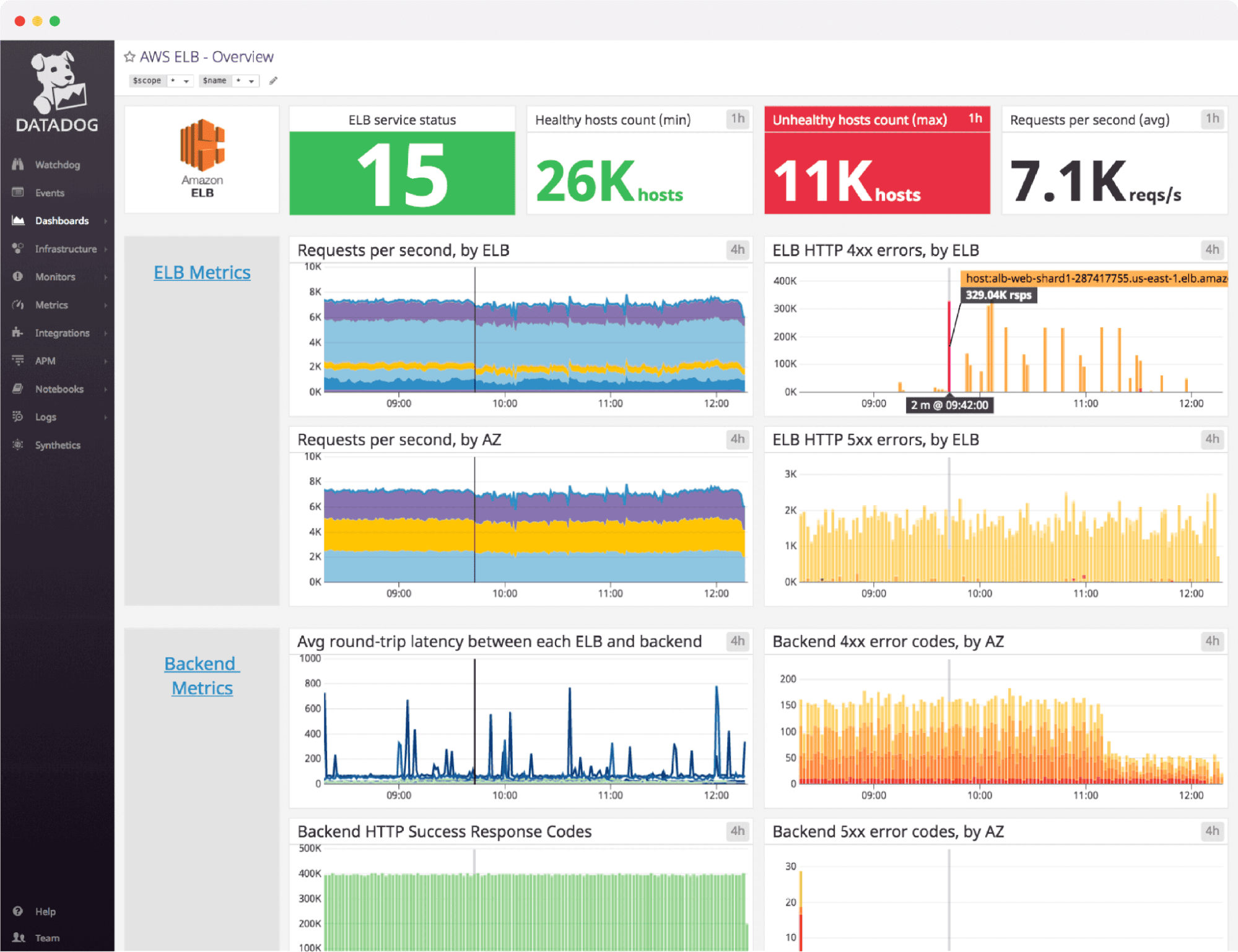
Best For: Cloud-native organizations wanting a fully managed, feature-rich observability platform
Datadog supports OpenTelemetry ingestion and offers migration tools from Splunk.
Grafana Stack is a popular open-source alternative composed of best-in-class tools for metrics (Prometheus), logs (Loki), and traces (Tempo).
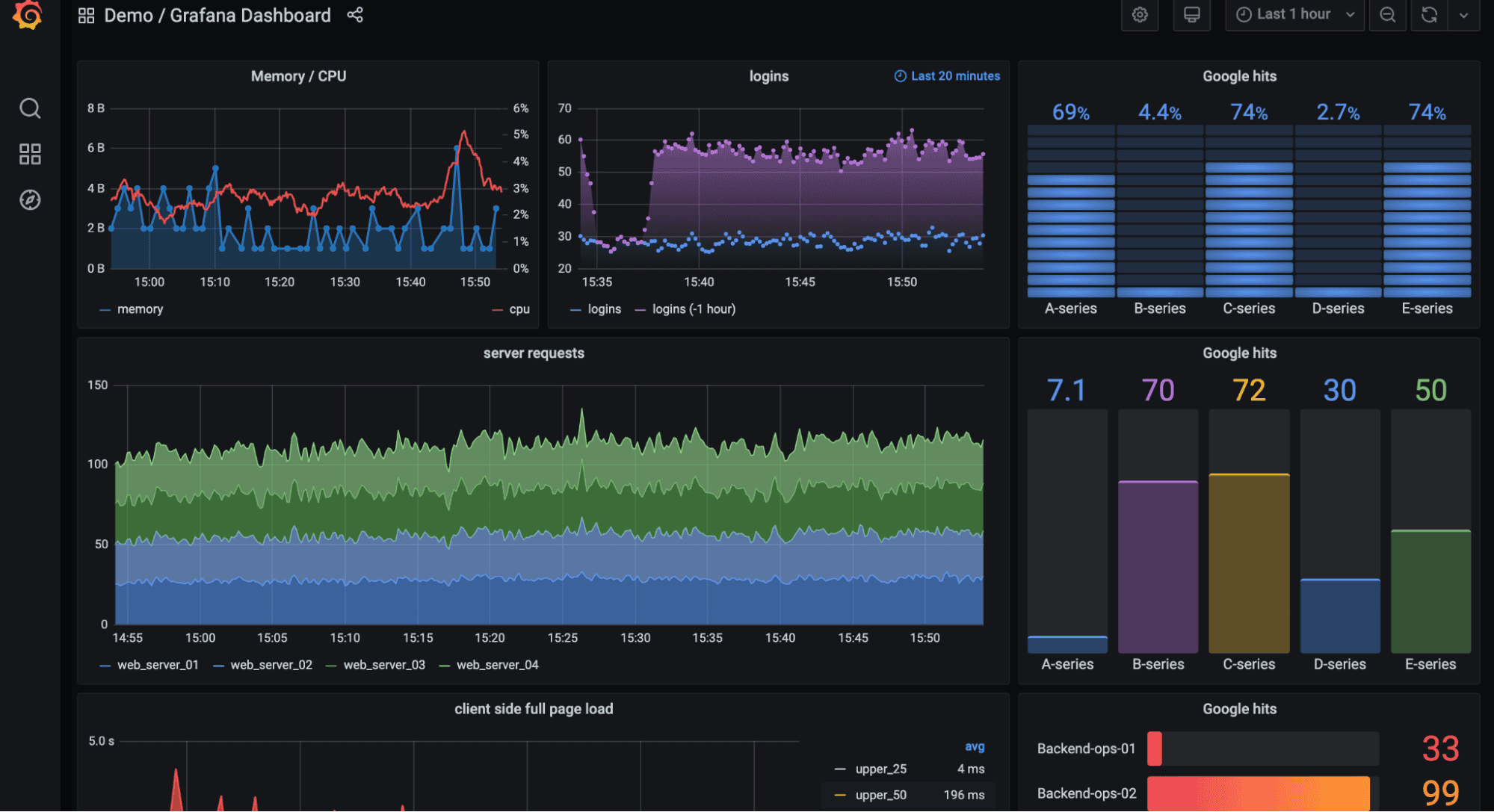
Best For: Teams wanting maximum flexibility with modular, open-source tooling
OpenTelemetry Collector replaces Splunk forwarders. Grafana Cloud offers a managed path for teams wanting reduced operational burden.
New Relic is a SaaS-based observability platform with strong APM capabilities and a familiar all-in-one experience.
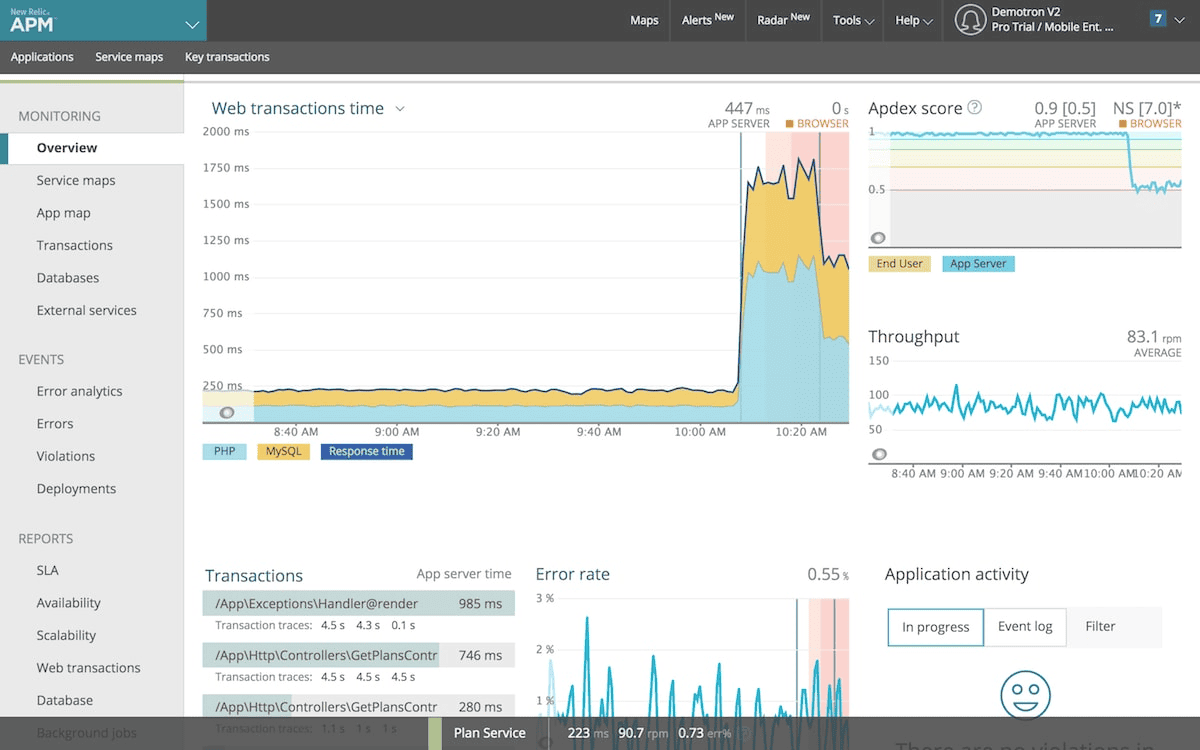
Best For: Development teams prioritizing application performance monitoring and developer experience
New Relic supports direct migration from Splunk with OTel-based ingestion.
Dynatrace is an enterprise-grade platform focused on automated instrumentation, AI-driven insights, and large-scale environments.
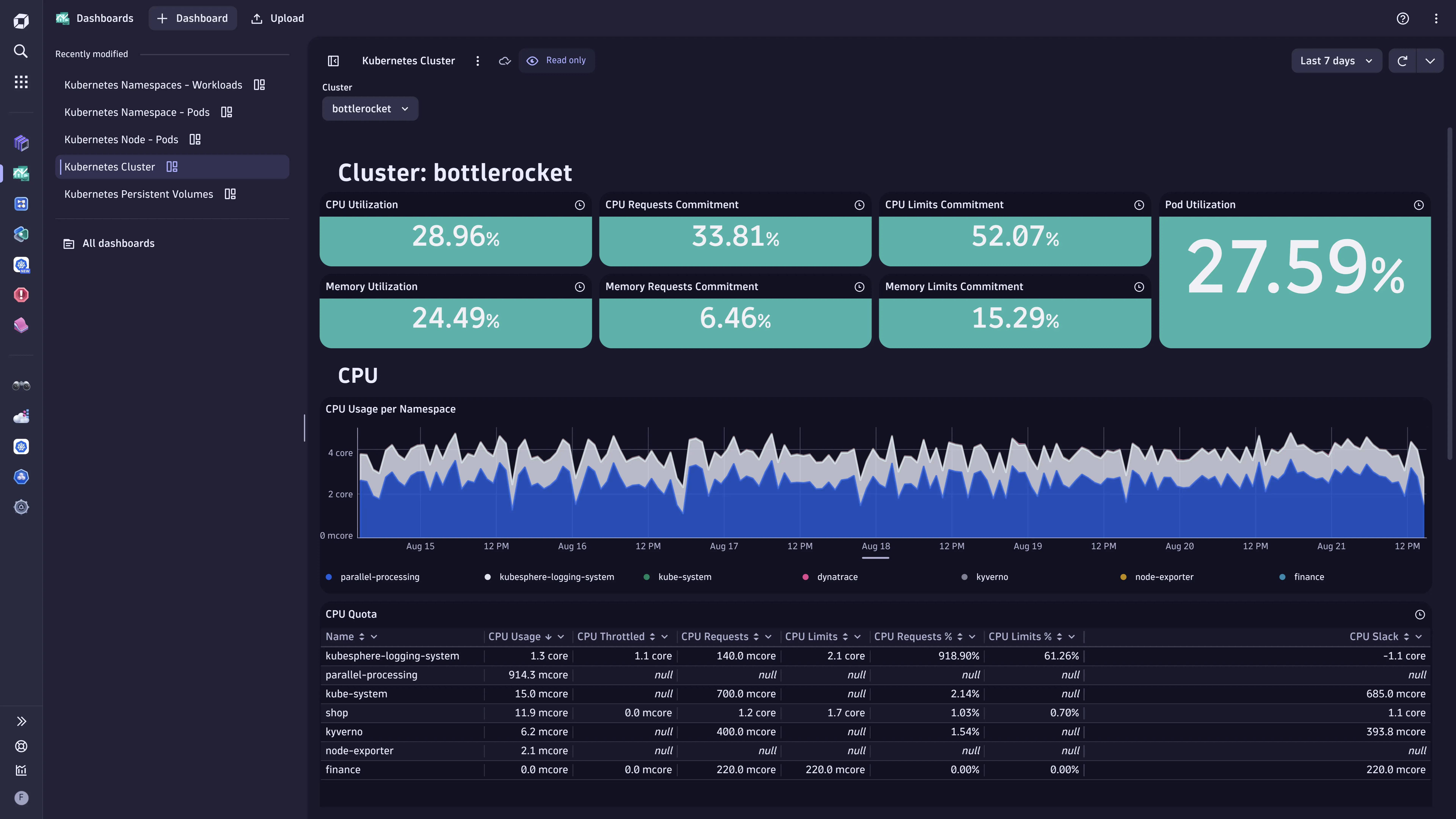
Best For: Large enterprises requiring automated discovery and AI-powered root cause analysis
OneAgent simplifies migration from Splunk. OpenTelemetry supported for partial vendor neutrality.
Sumo Logic is a cloud-native machine data analytics platform with strong security and compliance capabilities.
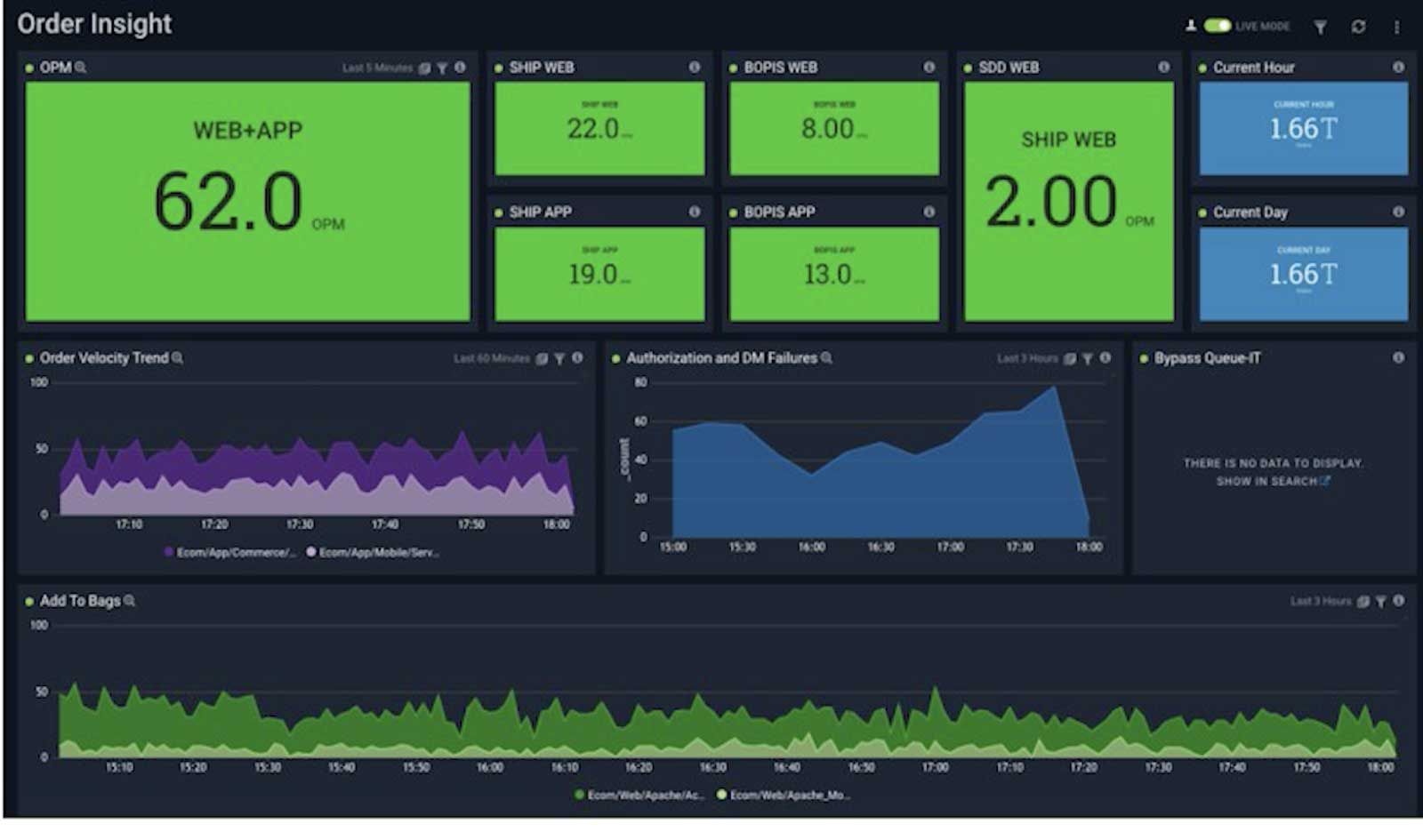
Best For: Security teams and organizations with compliance requirements
Sumo Logic offers migration assistance and supports multiple log formats for easy transition from Splunk.
Graylog is an open-source log management platform that serves as a powerful, cost-effective Splunk alternative.
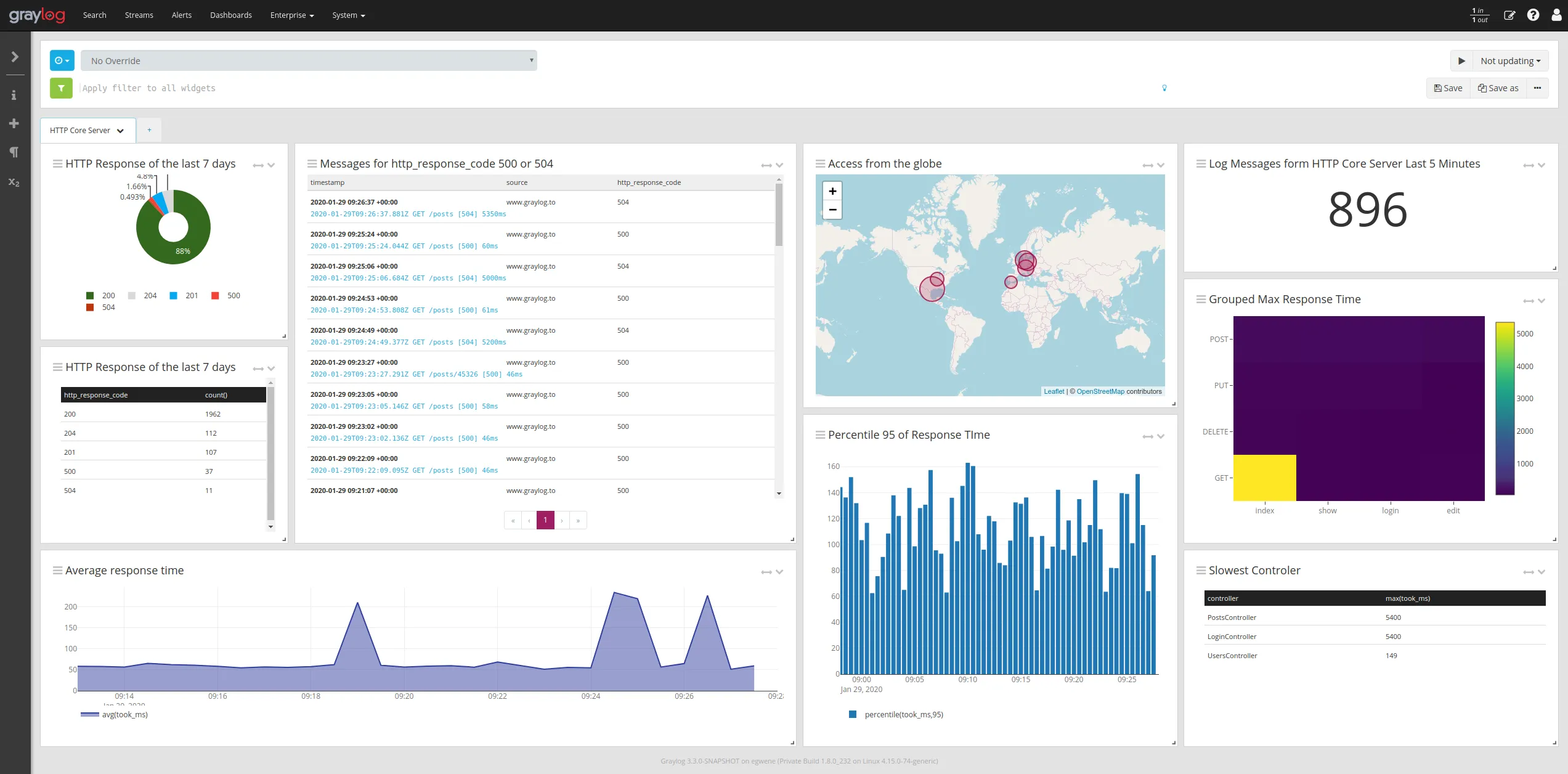
Best For: Organizations seeking an open-source log management solution with enterprise features
Graylog supports multiple input plugins, making migration from Splunk forwarders straightforward.
Cribl is a data pipeline platform that helps organizations route, reduce, and enrich observability data before sending it to any destination.
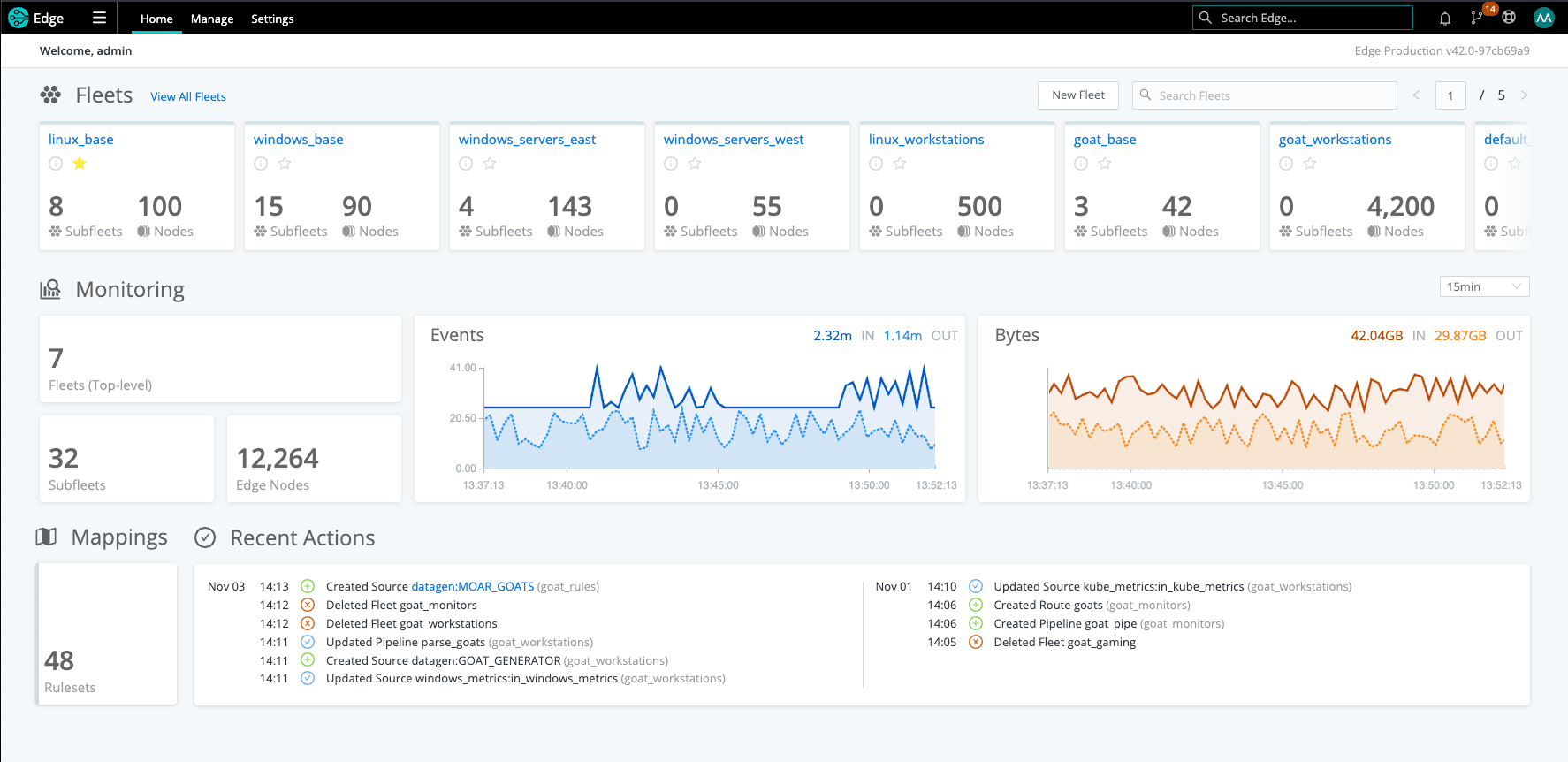
Best For: Organizations wanting to optimize data flow and reduce costs across multiple observability tools
Cribl Stream can receive Splunk forwarder data and route to alternative destinations, enabling gradual migration.
Microsoft Sentinel is a cloud-native SIEM and SOAR platform built on Azure.
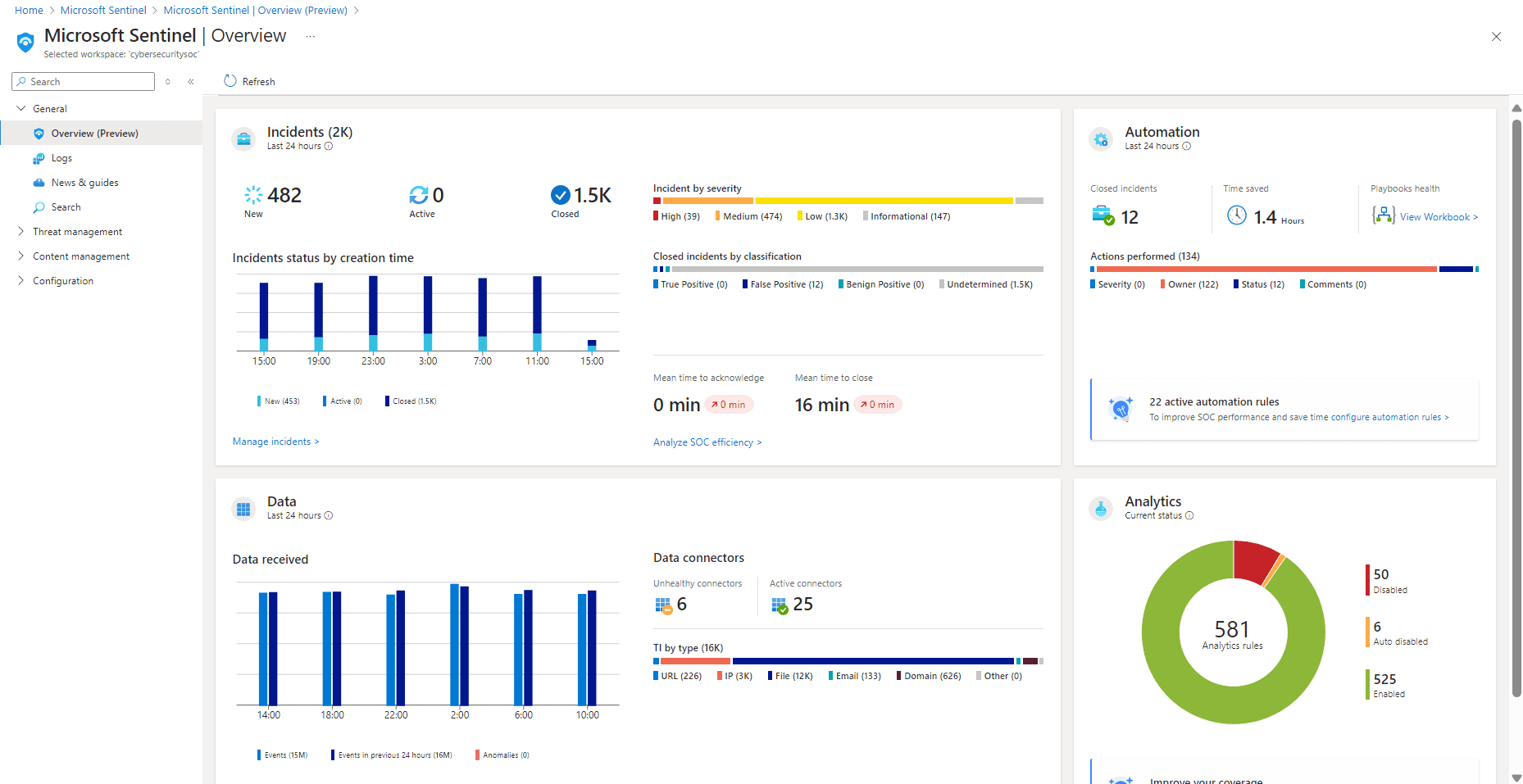
Best For: Organizations already invested in the Microsoft/Azure ecosystem with security-first requirements
Microsoft provides migration tools and connectors for transitioning from Splunk to Sentinel.
Exabeam is a next-generation SIEM platform built for security operations with behavioral analytics and automation.
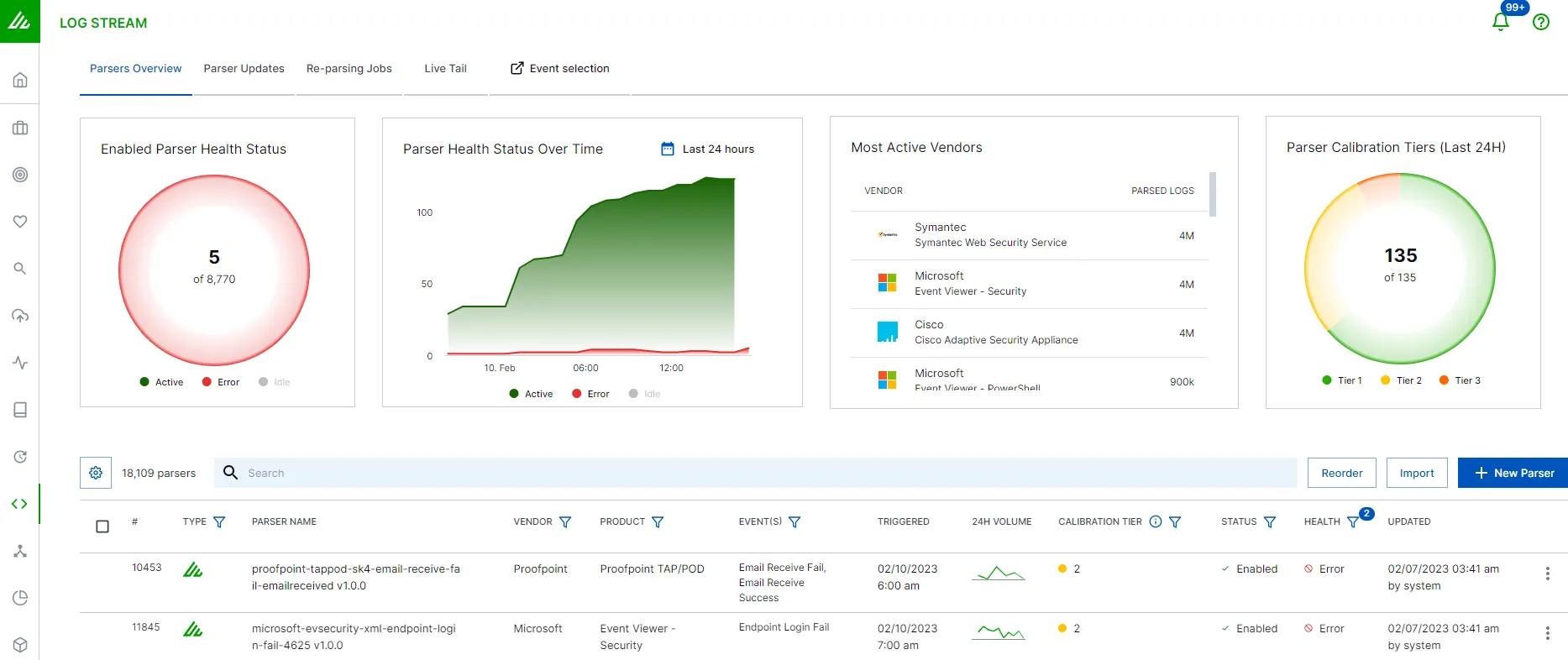
Best For: Security teams focused on threat detection, investigation, and response
Exabeam supports various log formats and offers professional services for Splunk migrations.
| Tool | Deployment | Logs | Metrics | Traces | SIEM | Pricing Model | Best For |
|---|---|---|---|---|---|---|---|
| OpenObserve | Self-hosted / Cloud | ✅ | ✅ | ✅ | ⚠️ | Open Source + Low-cost Cloud | Cost-effective unified observability |
| Elastic Stack | Self-hosted / Cloud | ✅ | ✅ | ✅ | ✅ | Open Source + Paid Tiers | Search-focused log analytics |
| Datadog | SaaS | ✅ | ✅ | ✅ | ✅ | Usage-based SaaS | Cloud-native full-stack monitoring |
| Grafana Stack | Self-hosted / Cloud | ✅ | ✅ | ✅ | ⚠️ | Open Source + Managed | Modular open-source flexibility |
| New Relic | SaaS | ✅ | ✅ | ✅ | ⚠️ | Usage-based + Free Tier | Developer-focused APM |
| Dynatrace | SaaS / Hybrid | ✅ | ✅ | ✅ | ⚠️ | Host/Unit-based | Enterprise automation |
| Sumo Logic | SaaS | ✅ | ✅ | ✅ | ✅ | Usage-based | Security and compliance |
| Graylog | Self-hosted / Cloud | ✅ | ⚠️ | ⚠️ | ✅ | Open Source + Enterprise | Open-source log management |
| Cribl | Self-hosted / Cloud | ✅ | ✅ | ✅ | N/A | Usage-based | Data pipeline optimization |
| Microsoft Sentinel | SaaS (Azure) | ✅ | ⚠️ | ⚠️ | ✅ | Consumption-based | Azure-centric security |
| Exabeam | SaaS / Hybrid | ✅ | ⚠️ | ⚠️ | ✅ | Enterprise | Security operations |
Legend: ✅ Full support | ⚠️ Limited/Basic support | N/A Not applicable
While Splunk remains a powerful platform, various alternatives can better suit specific needs, budgets, and technical requirements.
Key Takeaways:
The right choice depends on your team's specific needs, technical expertise, budget constraints, and long-term observability strategy. Many teams find that modern alternatives not only save costs but also provide better performance, more flexibility, and features specifically designed for cloud-native architectures.
Try OpenObserve: Start with the open source download or sign up for OpenObserve Cloud
OpenObserve is the best overall Splunk alternative for general observability, offering unified logs, metrics, and traces with 60-90% cost savings. For security-focused use cases, Elastic Security or Sumo Logic are strong choices. Enterprise teams may prefer Dynatrace for its automated instrumentation.
OpenObserve provides the most dramatic cost savings with 140x compression technology. Open-source alternatives like Grafana Stack and Graylog also offer significant savings when self-hosted. New Relic's 100 GB free tier makes it attractive for smaller deployments.
Yes. Using OpenTelemetry, you can replace Splunk forwarders with the OTel Collector and point to any OpenTelemetry-native platform without changing application code. Cribl can also serve as a bridge during migration, receiving Splunk forwarder data and routing to alternative destinations.
OpenObserve, Grafana Stack (with Prometheus), and Datadog all excel at Kubernetes monitoring with native OpenTelemetry support and container-native architectures.
OpenObserve offers the most comprehensive open-source alternative with unified observability. Grafana Stack provides modular flexibility with separate tools for metrics, logs, and traces. Graylog is excellent for log management specifically.
Several alternatives offer free tiers or open-source versions:
Splunk's SPL requires significant training. Alternatives offer more accessible options:
For security use cases, consider:

Passionate about observability, AI systems, and cloud-native tools. All in on DevOps and improving the developer experience.