Getting Started with OpenObserve
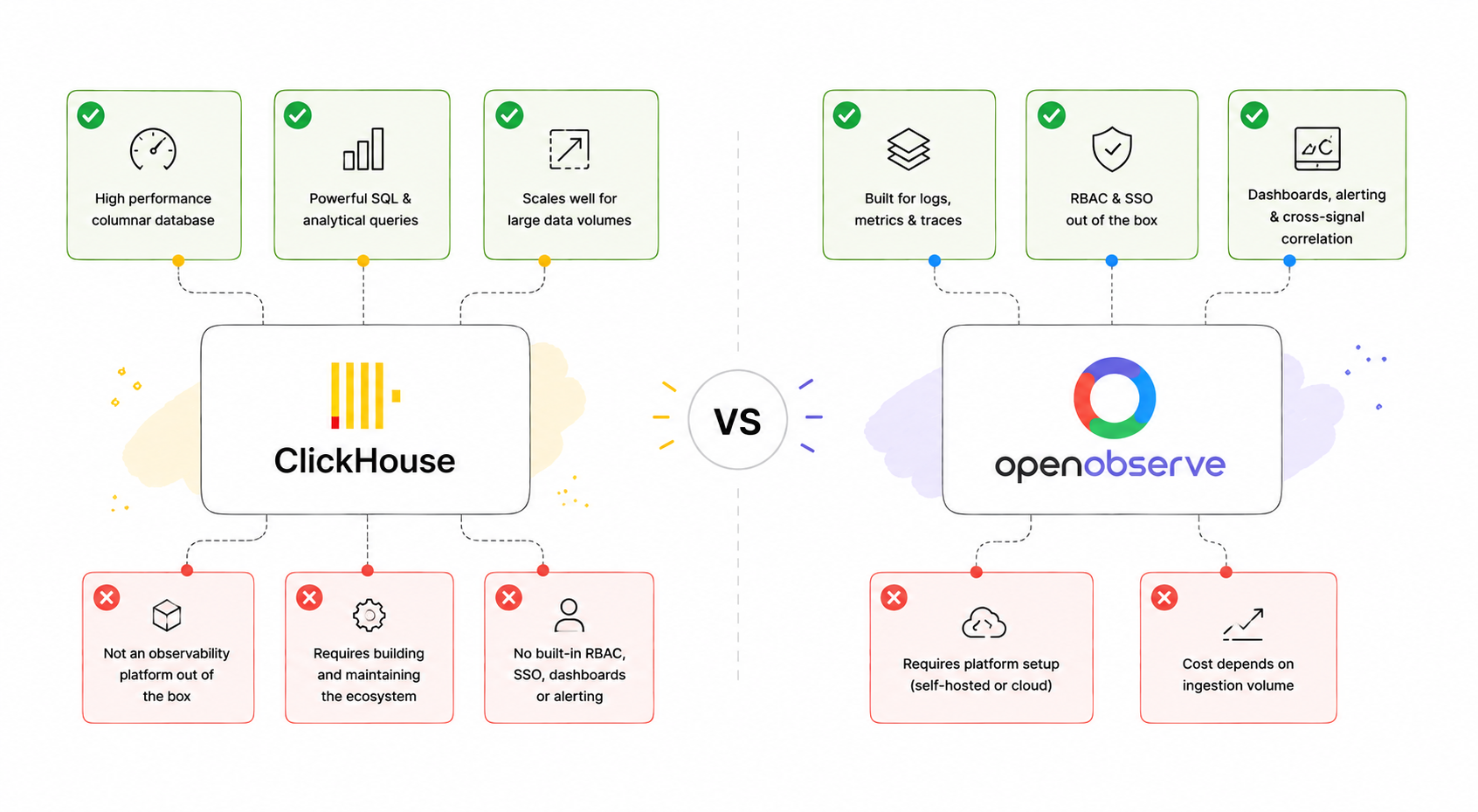
ClickHouse and OpenObserve compared for observability: architecture, ingestion, RBAC and SSO, high availability, and cost at scale, for teams choosing what to build logs, metrics, and traces on.
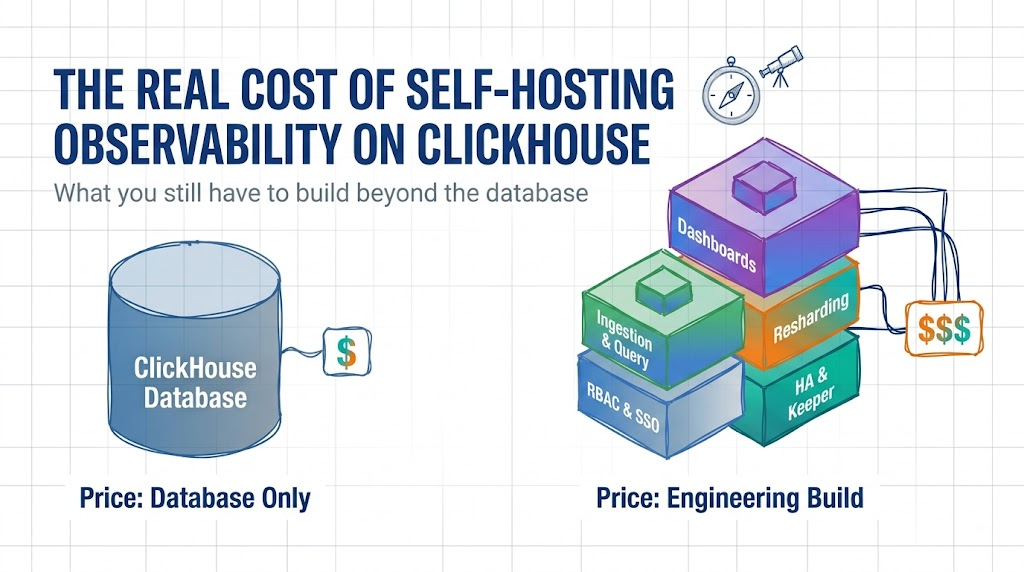
ClickHouse's storage economics are genuinely excellent. Self-hosting a production observability platform on top of it isn't free, it's an engineering build. Here's what that build actually costs.
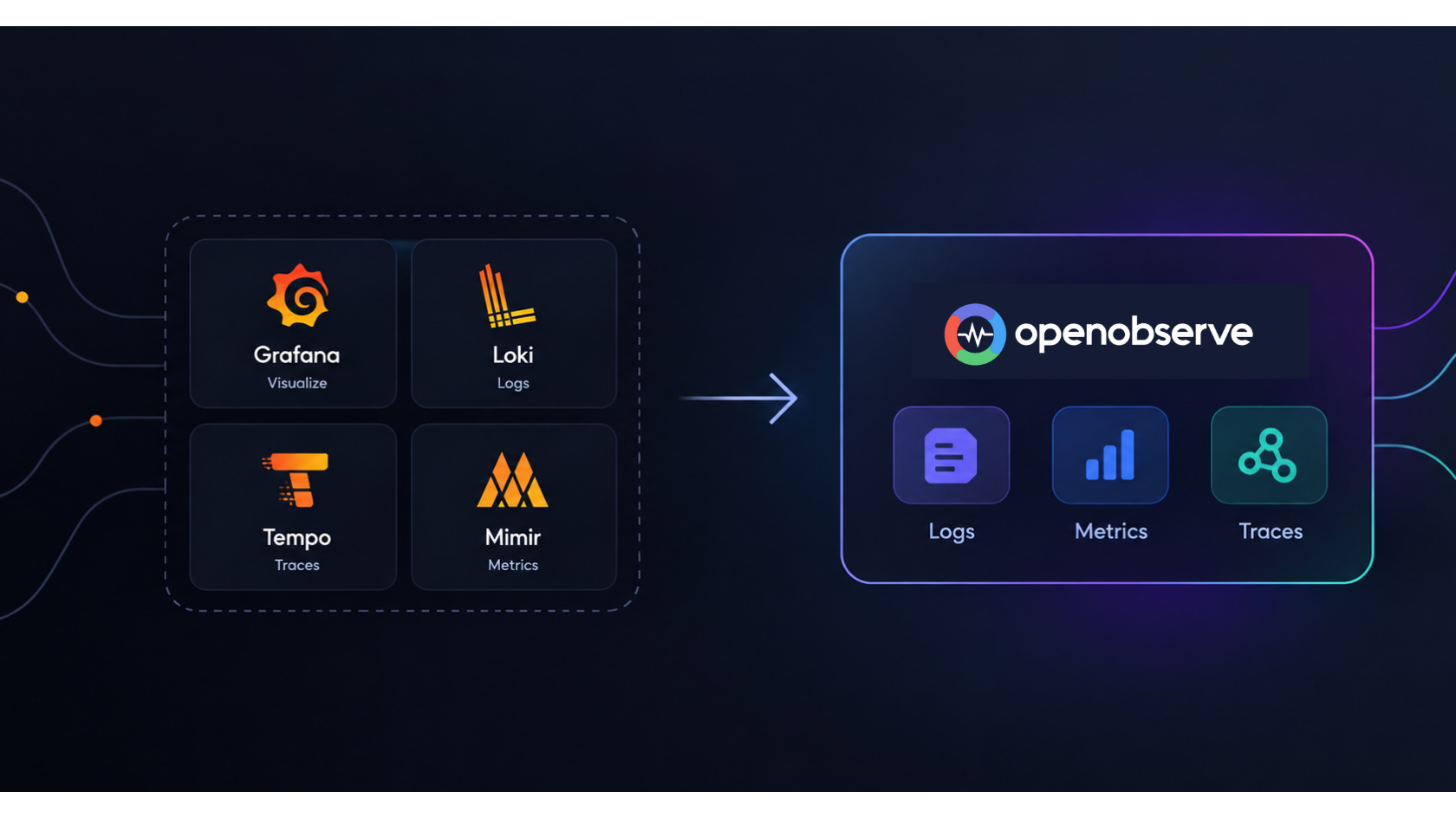
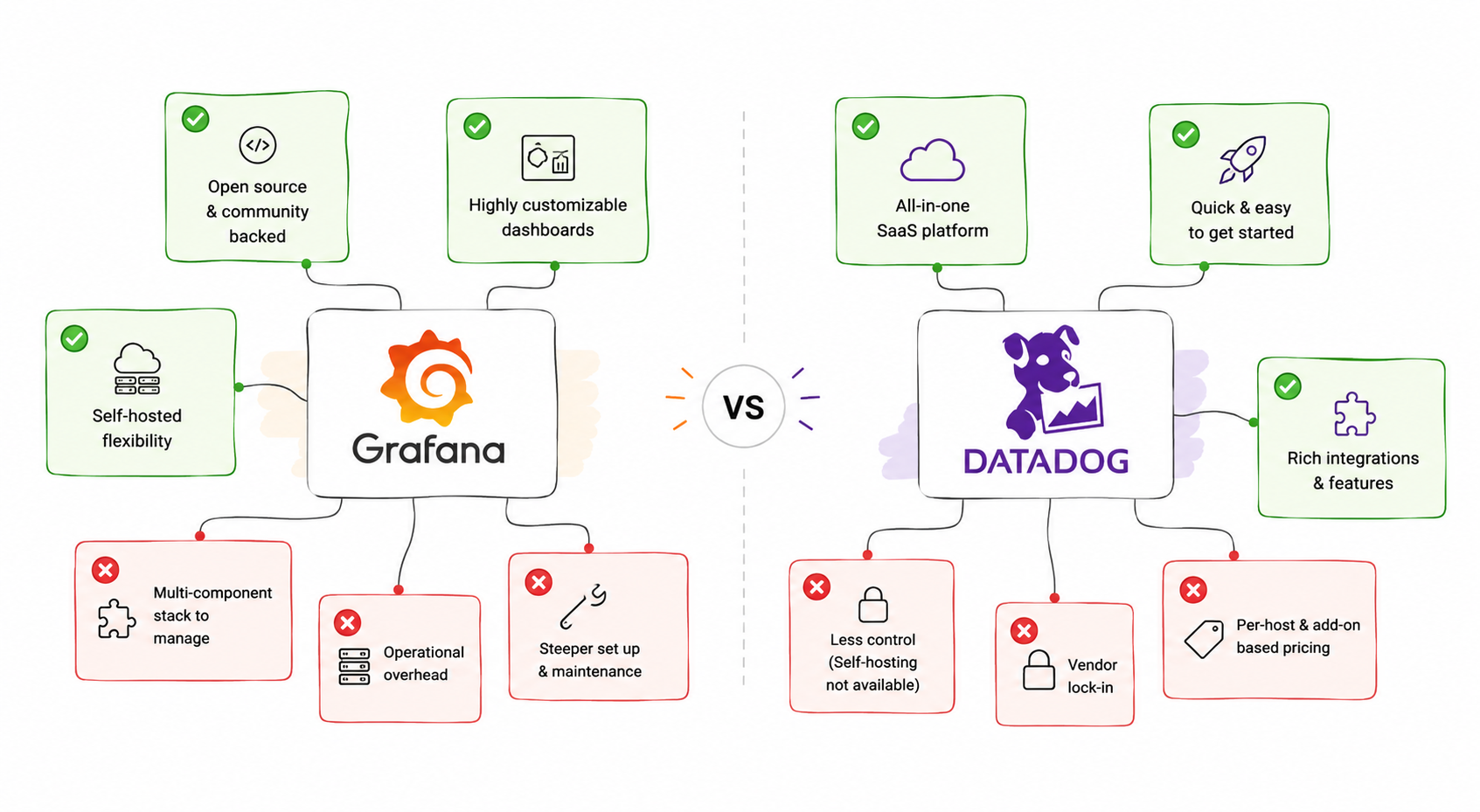
A side-by-side comparison of Grafana and Datadog on pricing and features, and where OpenObserve fits as a unified alternative to both.
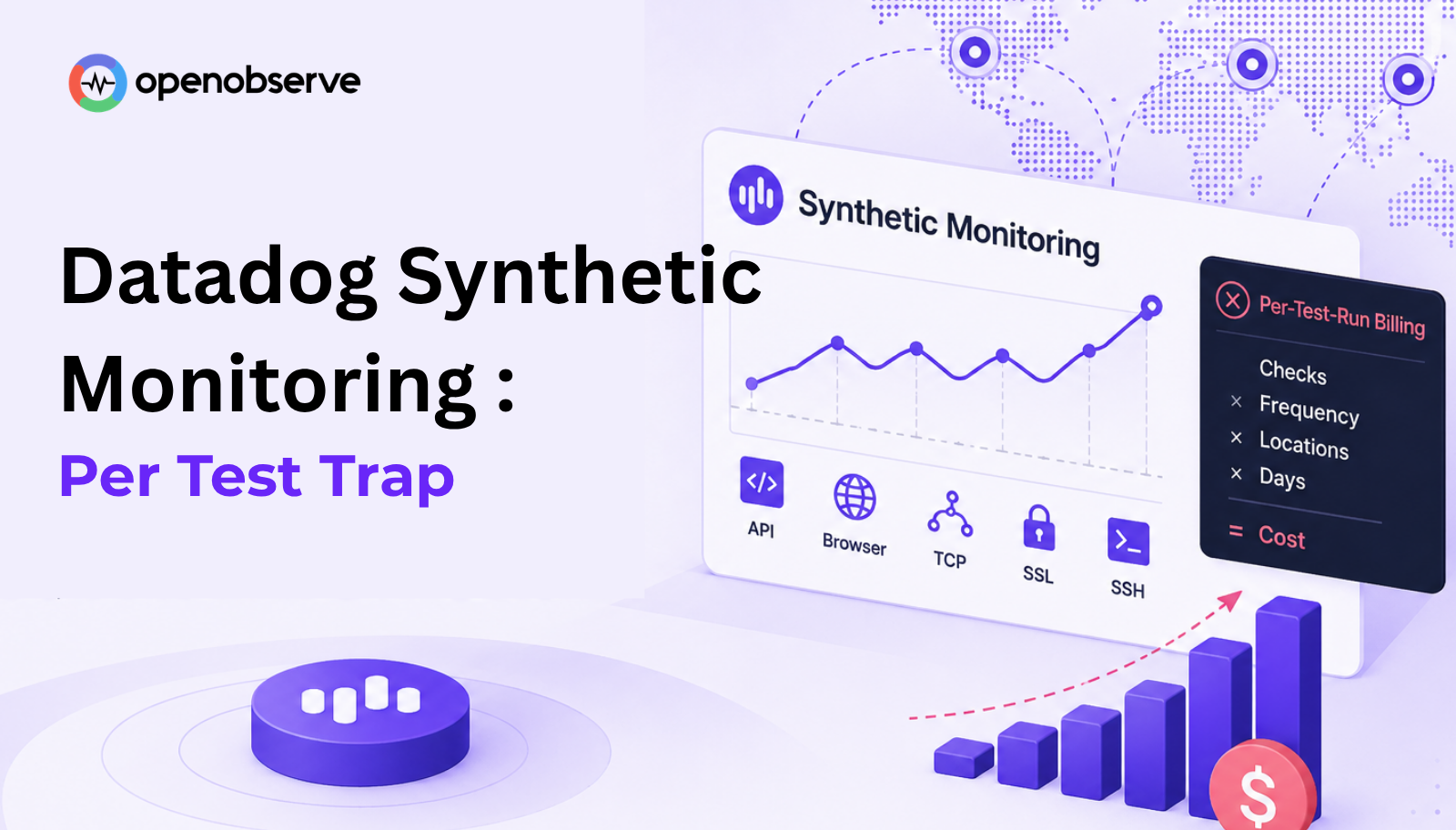
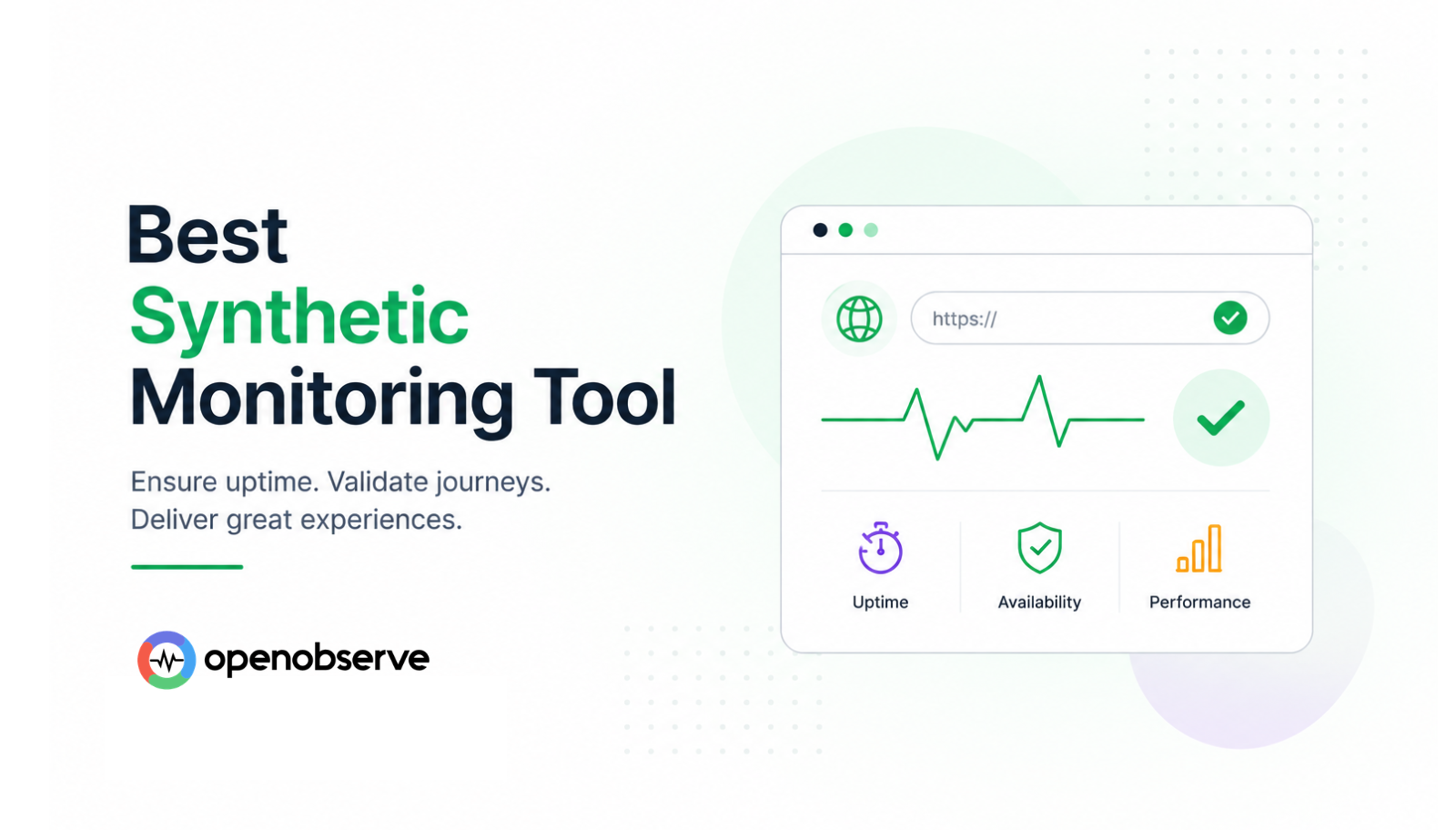
A complete comparison of the best synthetic monitoring tools in 2026: HTTP, TCP, TLS, SSH, and browser checks, private location support, alerting, and pricing, for engineering, SRE, and platform teams.

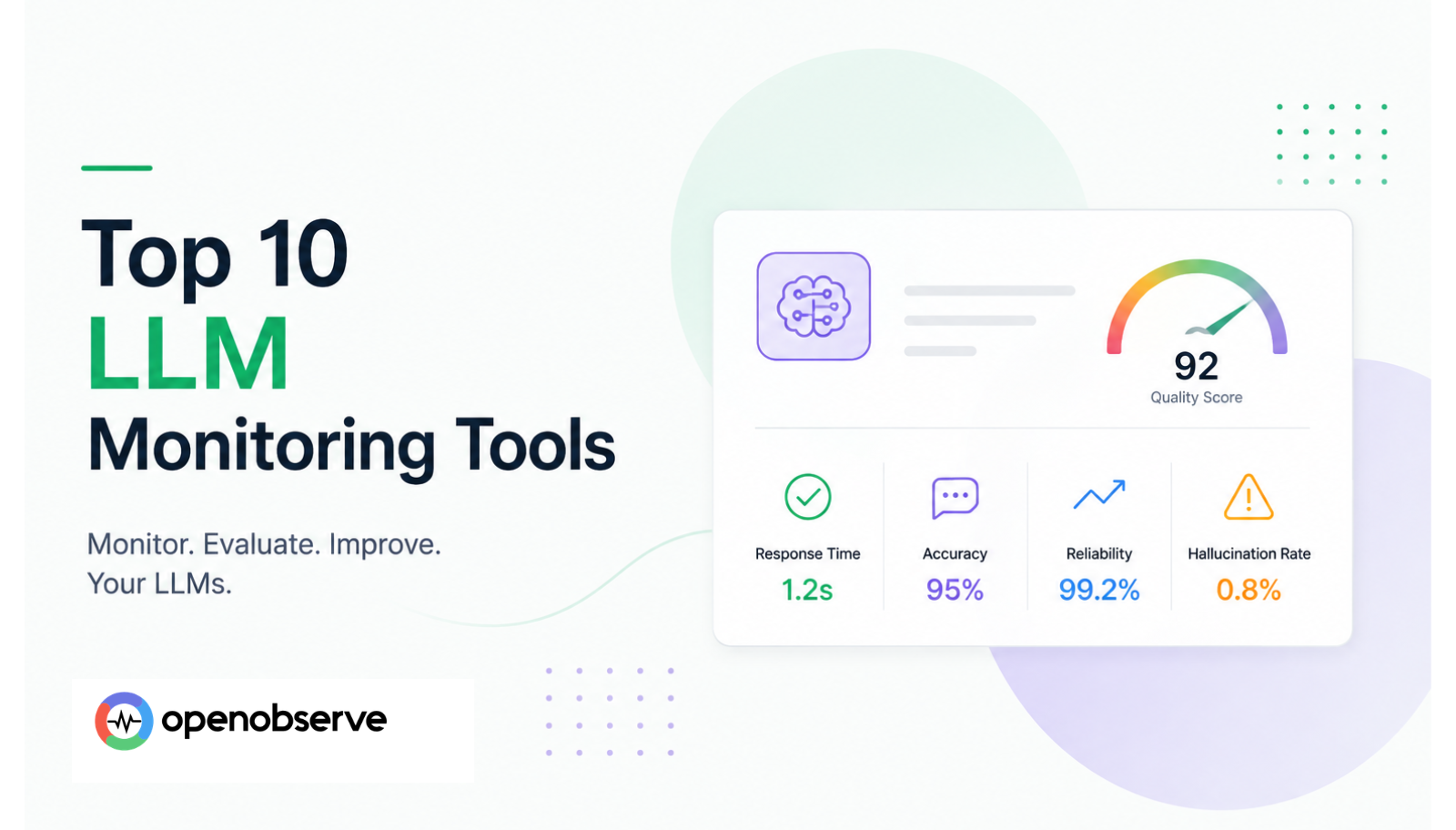
A complete comparison of the top LLM observability tools in 2026, open source and commercial, covering tracing, evaluation, cost tracking, and unified infrastructure monitoring for AI engineering teams.
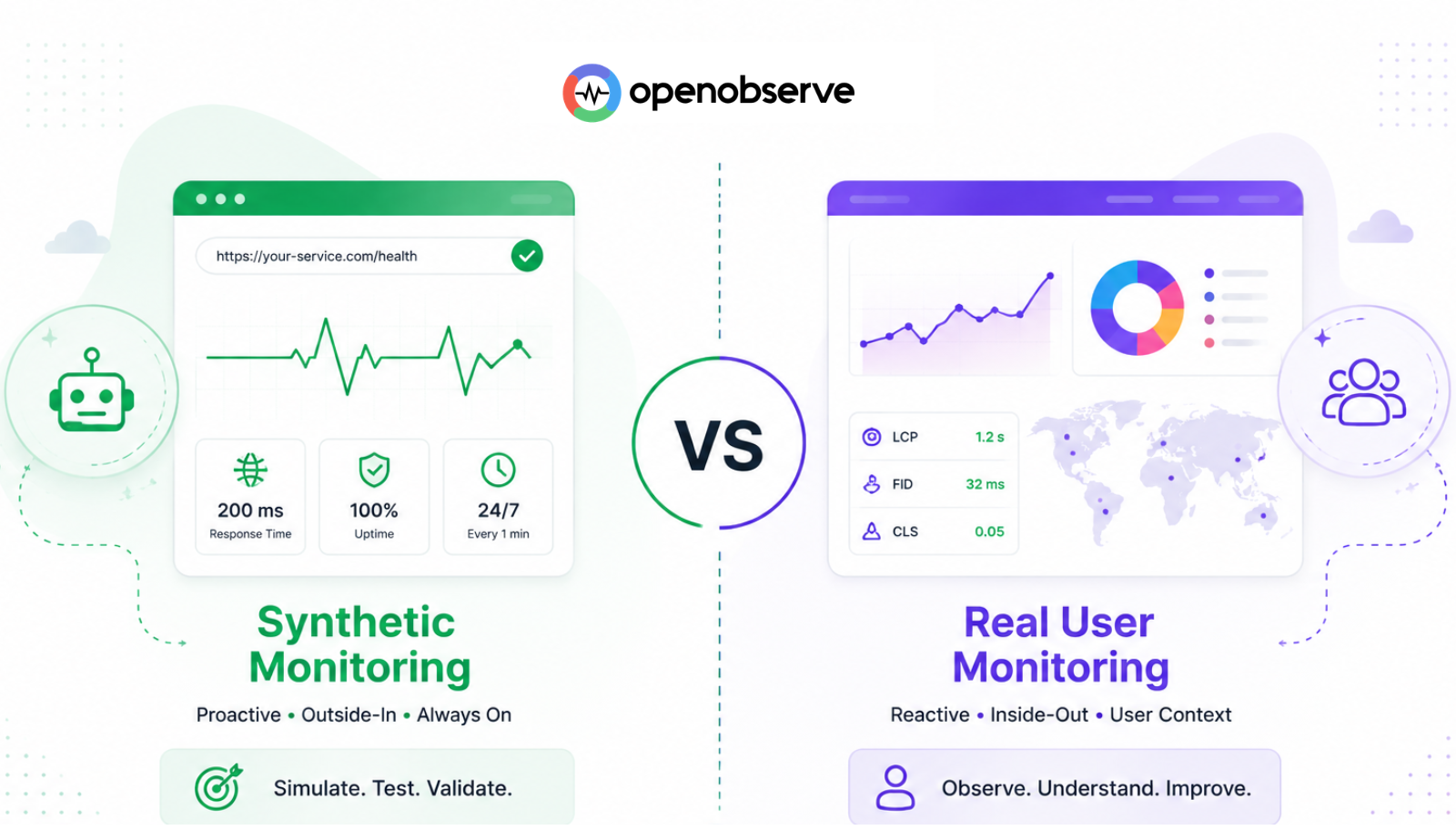
Synthetic monitoring runs scheduled checks from outside your systems; RUM captures what real visitors experience. Learn what synthetic monitoring is, how it differs from RUM, and when to use each.
Langfuse vs LangSmith vs OpenObserve compared: tracing, evals, self-hosting, and pricing, plus when a unified platform beats a point tool.
A comprehensive comparison of the top 10 open source APM tools in 2026: OpenObserve, Uptrace, Jaeger, Grafana Tempo, and Zipkin. Covers unified observability, OpenTelemetry support, storage efficiency, and self-hosted deployment options.
Compare the top 10 APM tools in 2026 — features, pricing, and use cases. OpenObserve delivers 60-90% cost savings with unified observability for logs, metrics, traces, and APM.
Best log monitoring and management tools for 2026, open source and commercial - plus when you need a SIEM and when log management is enough.
Compare the top 10 open source observability tools in 2026: OpenObserve, Prometheus, Grafana, Jaeger, and Loki. Covers logs, metrics, traces, deployment options, and cost trade-offs.
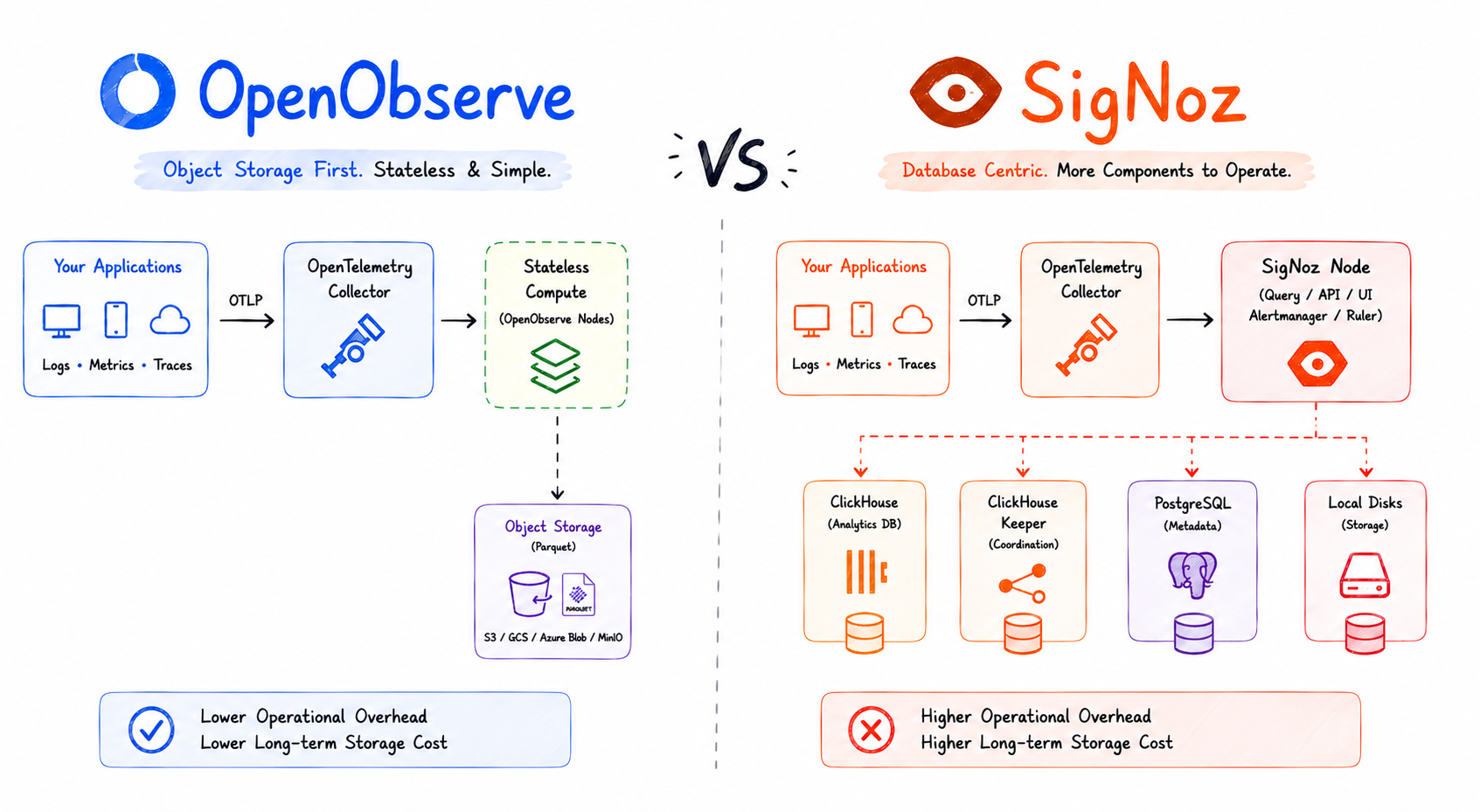
OpenObserve vs SigNoz compared in detail: architecture (object storage vs ClickHouse), pricing, self-hosting overhead, RUM and session replay, query language, and migration. A full feature-by-feature breakdown for teams choosing an open-source, OpenTelemetry-native observability platform.
Compare the top 10 Datadog competitors and alternatives in 2026: OpenObserve, Grafana, New Relic, Dynatrace, and Splunk. Pricing breakdowns, feature tables, and migration guidance for DevOps and SRE teams.
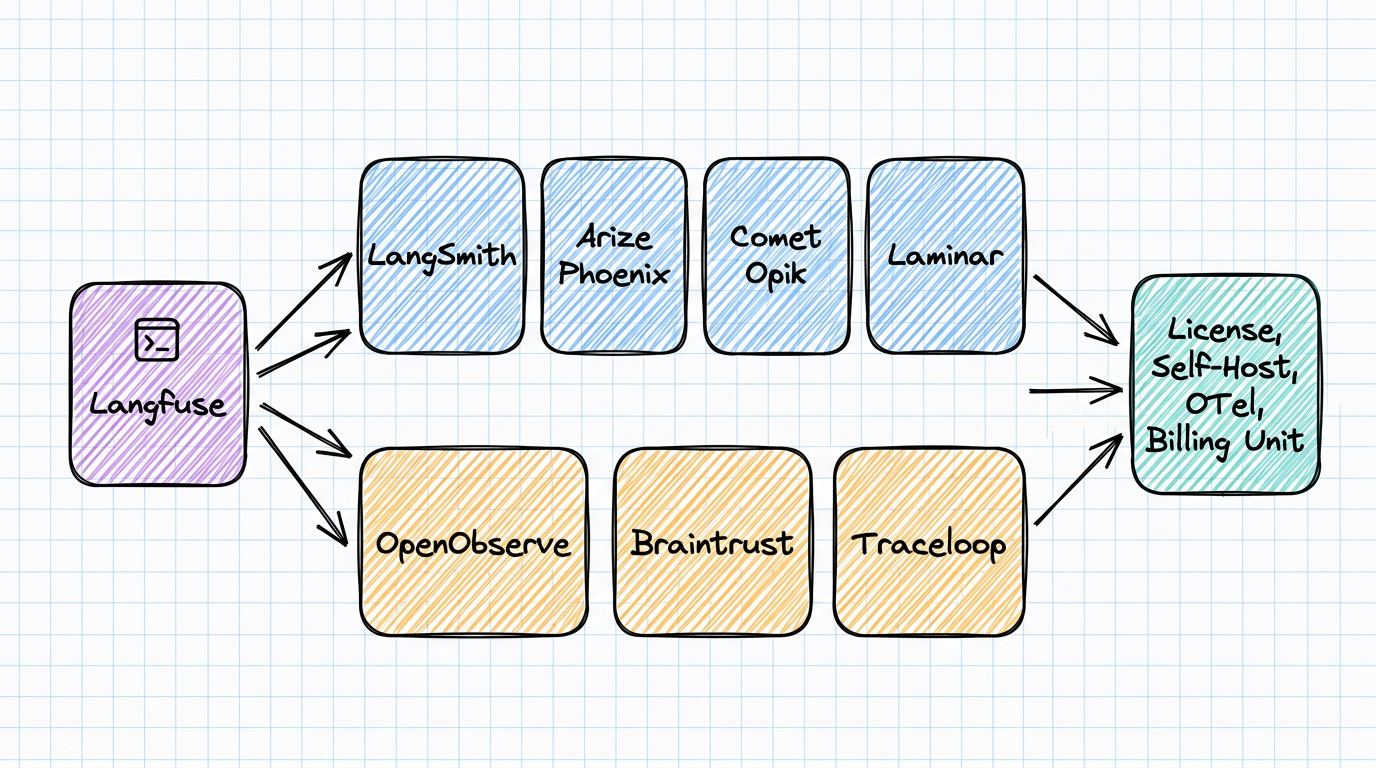
Seven Langfuse alternatives compared for 2026: OpenObserve, LangSmith, Arize Phoenix, Comet Opik, Laminar, Braintrust, and Traceloop. Real licenses, self-hosting limits, OpenTelemetry support, and what the ClickHouse acquisition actually changed.
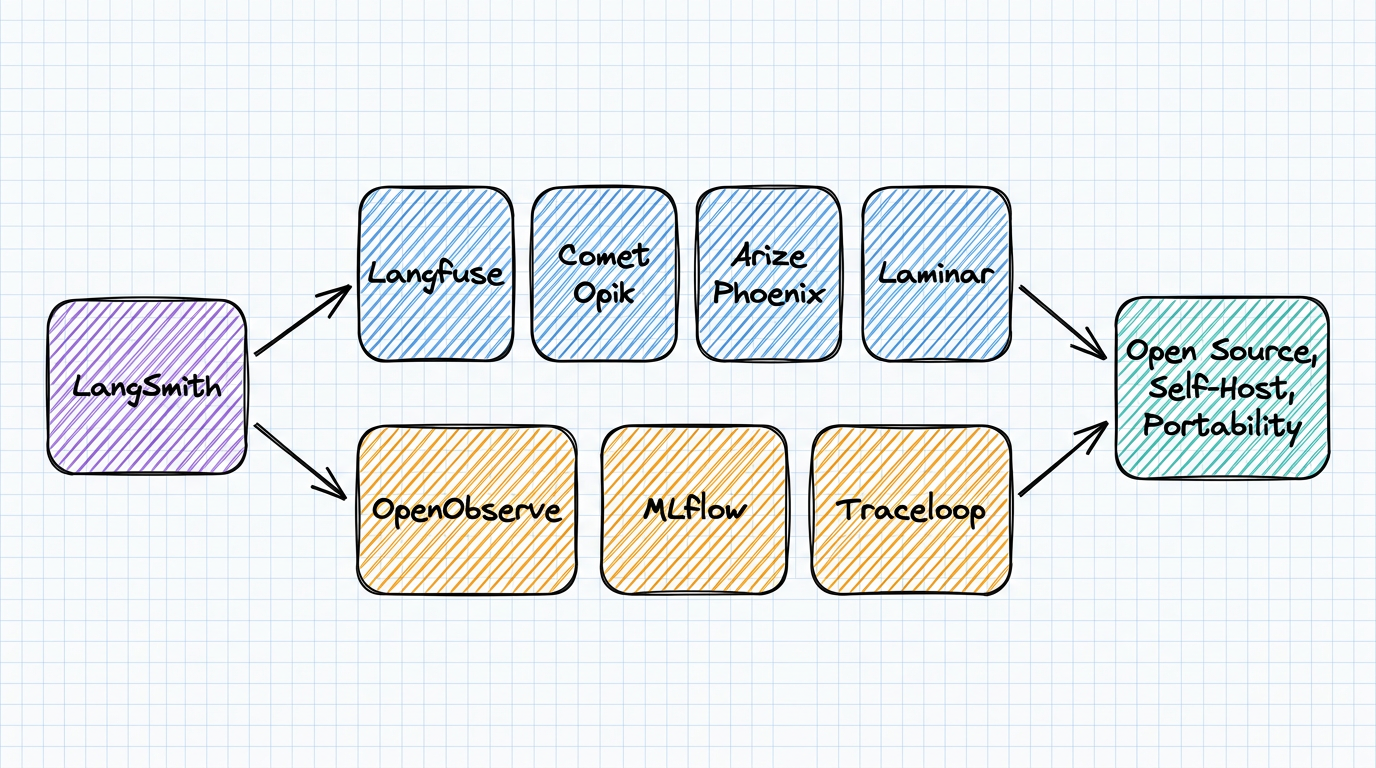
Seven LangSmith alternatives compared for 2026: OpenObserve, Langfuse, Comet Opik, Arize Phoenix, Laminar, MLflow, and Traceloop. Licenses audited from source, real self-hosting limits, and which tools survived a year of acquisitions.
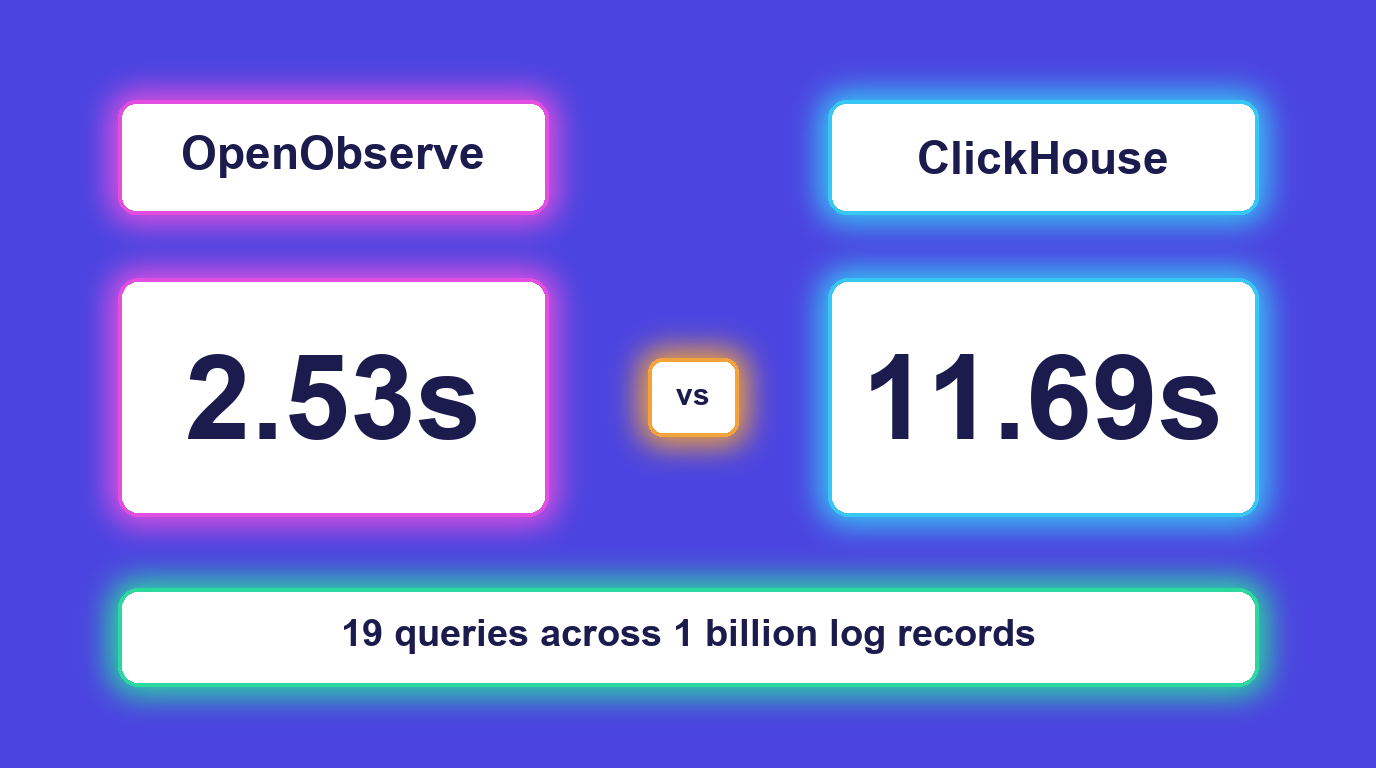
OpenObserve returned a pod-level log search in 71 ms against ClickHouse's 989 ms on 1 billion rows, and 141 ms against 14.2 seconds when the cache was cold on gp3. The full comparison covers query latency on two disk tiers, storage architecture, schema evolution, and operational tradeoffs.
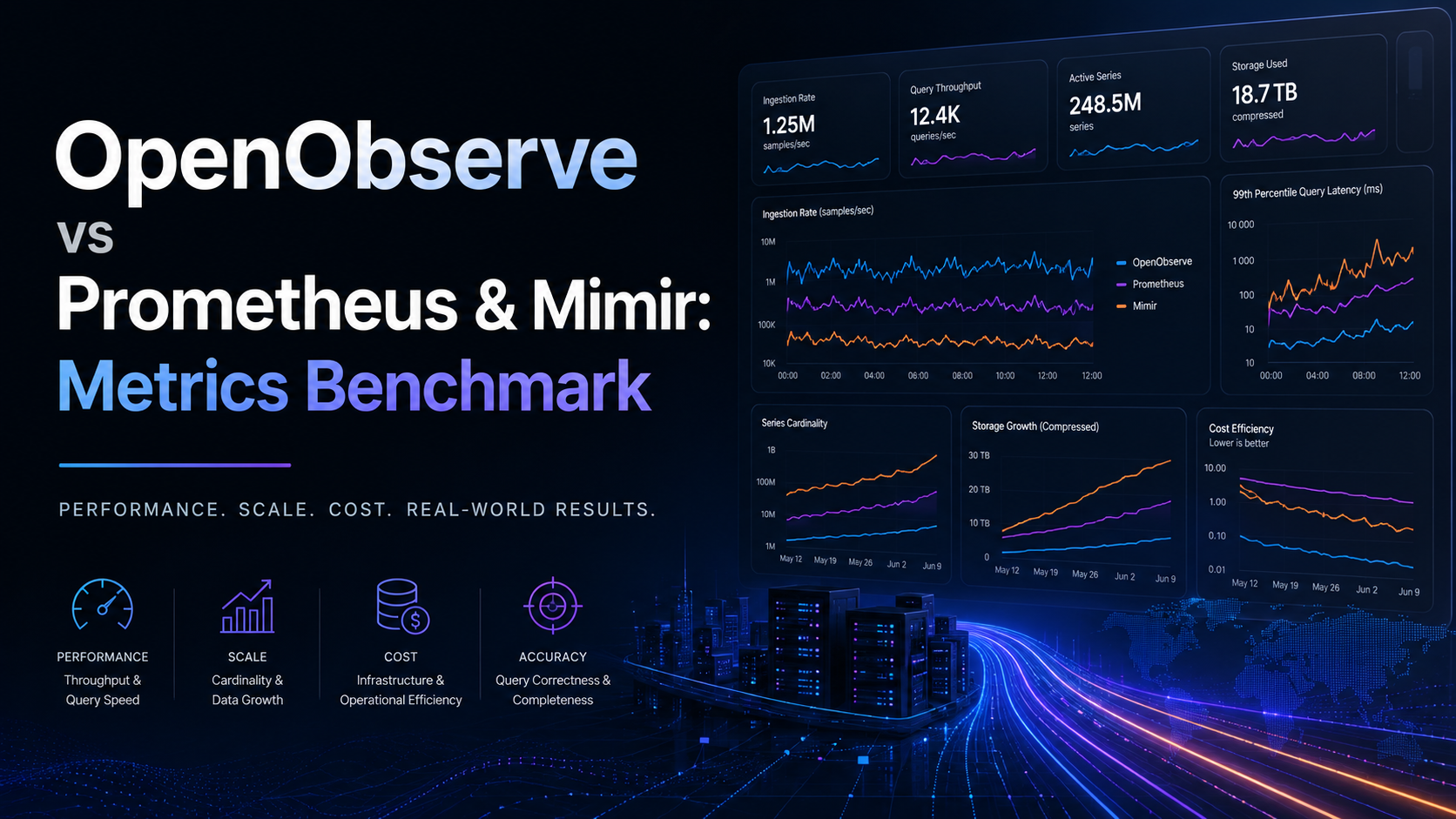
Compare the best Prometheus alternatives in 2026 for metrics at scale. See how OpenObserve, VictoriaMetrics, Thanos, Mimir, Cortex, and more handle high cardinality, long-term storage, and cost.
OpenObserve vs Langfuse in 2026: unified infra+LLM observability vs a dedicated LLM platform. Feature matrix, pricing, and when to use each (or both).
Compare the best log visualization tools in 2026: OpenObserve, Kibana, Grafana Loki, Datadog, and Splunk. Covers AI-assisted analysis, dashboard quality, and cost.
Discover the best Elasticsearch alternatives in 2026. Compare OpenObserve, OpenSearch, ClickHouse, Grafana Loki, and Solr on cost, search performance, and deployment options.
A comprehensive comparison of open source LLM observability tools in 2026: OpenObserve, Langfuse, Helicone, and Arize Phoenix. Covers prompt tracing, cost tracking, evaluation frameworks, and unified infrastructure monitoring.